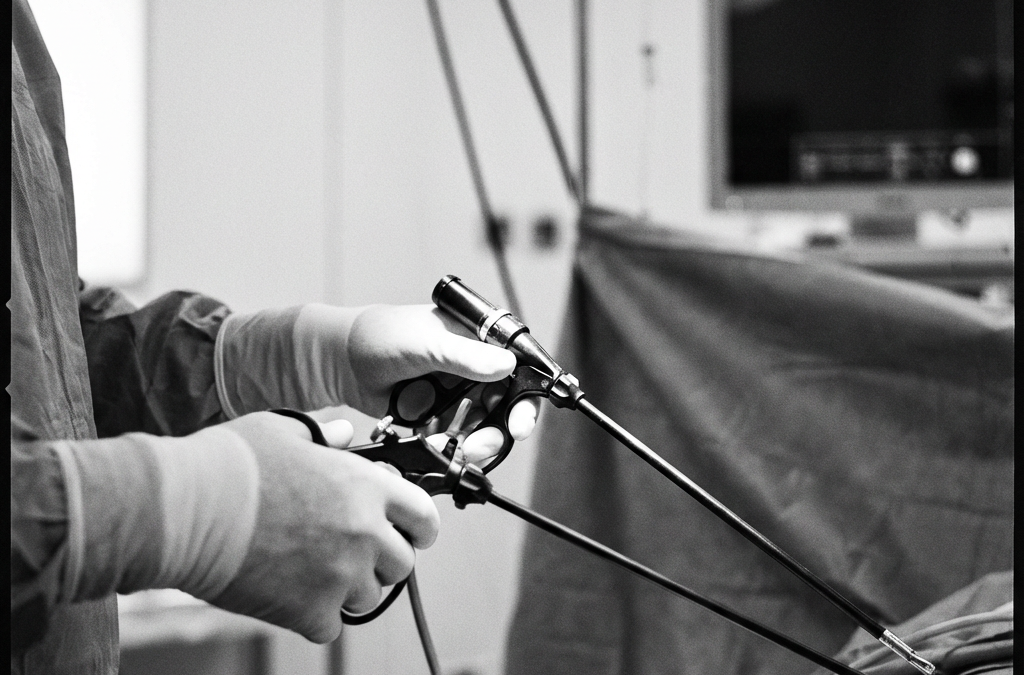
Looking for laparoscopy surgery in Nairobi? Laparoscopic surgery, commonly known as keyhole surgery, is a modern minimally invasive surgical technique that allows surgeons to perform certain procedures through small incisions rather than a large surgical opening.
For patients in Nairobi and across Kenya, laparoscopic surgery can offer important advantages, including smaller surgical wounds, less postoperative discomfort, shorter hospital stays and a potentially faster return to normal activities.
Dr. Lance Mayabi is a General and Laparoscopic Surgeon in Nairobi with expertise in minimally invasive surgery, surgical gastroenterology, bariatric surgery and advanced gastrointestinal procedures. He is also the Head of Surgery at The Karen Hospital.
If you have been advised to undergo surgery, understanding how laparoscopy works, the conditions it can treat, expected recovery, possible risks and the factors affecting cost can help you make a more informed decision.
What Is Laparoscopic Surgery?
Laparoscopic surgery is a type of minimally invasive surgery performed using a small camera called a laparoscope and specialized surgical instruments.
Instead of making one large incision, the surgeon typically makes several small incisions. A laparoscope equipped with a camera is inserted through one of the openings, allowing the surgical team to view the inside of the abdomen or pelvis on a monitor.
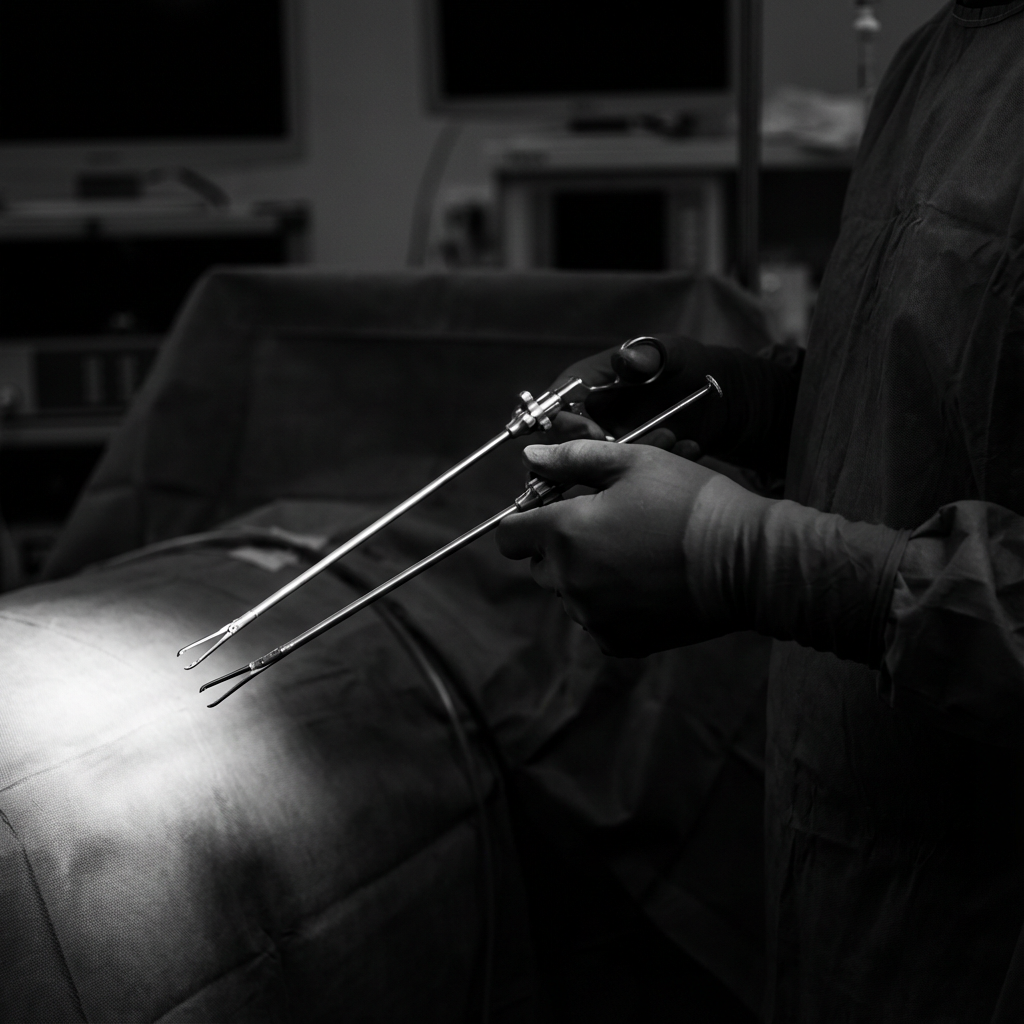
The surgeon can then use specialized instruments through the other small openings to perform the required procedure.
Because the incisions are generally much smaller than those used in traditional open surgery, laparoscopic procedures are often associated with smaller scars and a quicker recovery for appropriately selected patients.
Laparoscopy is also referred to as keyhole surgery or minimally invasive surgery.
Laparoscopy Surgery in Nairobi
Nairobi has become an important centre for advanced surgical care in Kenya, with hospitals and specialist surgeons offering minimally invasive procedures for a range of conditions.
Dr. Lance Mayabi specializes in laparoscopic surgery and surgical gastroenterology and has extensive experience in minimally invasive surgical techniques. His professional profile identifies areas of expertise including laparoscopic surgery, bariatric and metabolic surgery, gastrointestinal procedures and endoscopy.
Patients considering laparoscopic surgery should receive an individual assessment before deciding whether the procedure is appropriate. Not every operation or patient is suitable for a laparoscopic approach.
What Conditions Can Be Treated With Laparoscopy?
Depending on the patient’s condition, medical history and the surgeon’s assessment, laparoscopic techniques may be used for a variety of procedures.
These can include:
- Gallstones and gallbladder disease
- Hernia repair
- Appendicitis
- Bariatric and weight-loss surgery
- Certain gastrointestinal conditions
- Some colorectal procedures
- Ovarian cyst surgery
- Certain gynaecological procedures
- Diagnostic laparoscopy
- Other abdominal and pelvic procedures
The exact procedure recommended depends on the diagnosis and the patient’s overall health. Laparoscopic surgery is not automatically the best option for every patient.
Common Laparoscopic Procedures
1. Laparoscopic Gallbladder Surgery
Patients with symptomatic gallstones or certain gallbladder conditions may be candidates for laparoscopic gallbladder removal, known as laparoscopic cholecystectomy.
The procedure is performed through small abdominal incisions and is one of the commonly performed laparoscopic operations.
2. Laparoscopic Hernia Repair
Certain abdominal and groin hernias can be repaired using minimally invasive techniques.
The appropriate surgical approach depends on the type and size of the hernia, previous operations, the patient’s medical history and the surgeon’s assessment.
3. Laparoscopic Appendectomy
In selected patients with appendicitis, the appendix can be removed using a laparoscopic approach.
4. Laparoscopic Bariatric Surgery
Laparoscopic techniques are widely used in modern bariatric surgery.
Dr. Lance Mayabi’s specialist practice includes laparoscopic gastric sleeve surgery and other weight-management procedures. His official practice lists Laparoskopiese MaagMoue and Maagomleiding among his specialties.
5. Diagnostic Laparoscopy
In some situations, laparoscopy may be used to investigate unexplained abdominal or pelvic symptoms when other diagnostic tests have not provided sufficient information.
The surgeon can directly inspect structures inside the abdomen or pelvis and, where appropriate, perform treatment during the same procedure.
Benefits of Laparoscopic Surgery
One of the main reasons patients and surgeons consider laparoscopic surgery is its minimally invasive nature.
Potential advantages can include:
Smaller Incisions
Laparoscopic procedures generally require smaller incisions than conventional open surgery.
Smaller Scars
Smaller surgical openings can result in smaller visible scars after healing.
Less Postoperative Pain
Because the surgical incisions are generally smaller, some patients experience less postoperative discomfort compared with traditional open surgery.
Shorter Hospital Stay
Depending on the procedure and the patient’s recovery, hospitalisation may be shorter than with some open procedures.
Faster Return to Normal Activities
Many patients can return to normal activities sooner after minimally invasive surgery, although recovery varies considerably depending on the procedure and individual circumstances.
Medical sources in Nairobi also identify quicker recovery, reduced pain and smaller scars among the potential advantages of laparoscopic surgery.
Is Laparoscopy Surgery Better Than Open Surgery?
Not necessarily.
The best surgical approach depends on the specific medical condition, the complexity of the operation, previous surgeries, the patient’s health and the surgeon’s clinical assessment.
Laparoscopic surgery can provide important advantages for appropriately selected patients, but open surgery remains an important and sometimes necessary treatment option.
In some cases, a laparoscopic procedure may need to be converted to open surgery for safety or because the surgeon encounters circumstances that make continuing laparoscopically inappropriate.
Your surgeon should explain the expected benefits, limitations and alternatives before surgery.
How Much Does Laparoscopy Surgery Cost in Nairobi?
One of the most common questions patients ask is:
“How much does laparoscopic surgery cost in Nairobi?”
There is no single price for laparoscopy surgery because the cost depends on the type of operation and several other factors.
The total cost may be influenced by:
- Type of laparoscopic procedure
- Complexity of the surgery
- Surgeon’s fees
- Hospital and theatre charges
- Anaesthesia fees
- Diagnostic tests
- Medical imaging
- Laboratory investigations
- Medications
- Length of hospital stay
- Follow-up care
- Whether complications occur
- Insurance coverage
For this reason, patients should request a personalised quotation after consultation rather than relying on a general online price.
If you are searching for laparoscopy surgery cost in Nairobi, a consultation with a qualified laparoscopic surgeon is the most reliable way to establish what treatment you need and what your expected costs may be.
Does Insurance Cover Laparoscopic Surgery in Kenya?
Insurance coverage varies according to your policy, medical indication, hospital, procedure and insurer.
Before scheduling surgery, ask your insurance provider or hospital whether the procedure is covered and whether pre-authorisation is required.
You should also clarify whether your coverage includes:
- Surgeon fees
- Hospital charges
- Theatre fees
- Anaesthesia
- Diagnostic tests
- Medicines
- Hospitalisation
- Follow-up consultations
Getting confirmation before surgery can help prevent unexpected expenses.
What Happens During Laparoscopic Surgery?
Although the exact process varies according to the operation, laparoscopic surgery generally involves several stages.
Step 1: Preoperative Assessment
Your surgeon reviews your medical history, symptoms, previous operations, medications and relevant investigations.
Additional tests may be recommended before surgery.
Step 2: Anaesthesia
Laparoscopic abdominal procedures are commonly performed under general anaesthesia, meaning the patient is asleep during the operation.
Step 3: Small Incisions
The surgeon creates small openings through which the laparoscope and surgical instruments can be introduced.
Step 4: Surgical Procedure
The camera provides magnified images on a monitor, allowing the surgeon to visualise the operative area and perform the procedure using specialised instruments.
Step 5: Closing the Incisions
After the procedure, the instruments are removed and the small incisions are closed.
Step 6: Recovery
The patient is monitored after surgery and receives instructions regarding pain management, movement, diet, wound care and follow-up.
How Long Does It Take to Recover From Laparoscopy?
Recovery time depends on the procedure, your overall health and whether there are any complications.
Some minimally invasive procedures may allow patients to leave hospital relatively quickly, while more complex operations may require a longer hospital stay.
During recovery, your surgeon may advise you to:
- Follow your prescribed medication plan
- Keep surgical wounds clean and dry as instructed
- Gradually increase physical activity
- Follow dietary recommendations
- Attend follow-up appointments
- Avoid strenuous activity until cleared by your medical team
Do not compare your recovery directly with another patient’s experience. Different laparoscopic operations have different recovery timelines.
What Are the Risks of Laparoscopic Surgery?
Although laparoscopic surgery is minimally invasive, it is still surgery and carries potential risks.
Possible complications may include:
- Bleeding
- Infection
- Injury to nearby organs or tissues
- Blood clots
- Anaesthesia-related complications
- Wound problems
- Need for additional surgery
- Conversion from laparoscopic to open surgery
Your individual risk depends on the procedure, medical condition and other factors.
A proper consultation allows your surgeon to explain the specific risks and benefits relevant to your situation.
Why Choose an Experienced Laparoscopic Surgeon in Nairobi?
Choosing a surgeon for an operation is an important decision.
When evaluating a laparoscopic surgeon in Nairobi, consider the surgeon’s:
- Surgical qualifications
- Experience with the specific procedure
- Experience in minimally invasive surgery
- Hospital and theatre facilities
- Surgical team
- Patient safety practices
- Follow-up arrangements
- Ability to explain treatment options clearly
Dr. Lance Mayabi is listed by The Karen Hospital as a General Surgeon specialising in minimally invasive laparoscopic surgery, bariatric surgery and advanced gastrointestinal procedures. He is a Fellow of the College of Surgeons of East, Central and Southern Africa (FCS-ECSA) and a Fellow of the American College of Surgeons (FACS). He is also a member of the Society of American Gastrointestinal and Endoscopic Surgeons (SAGES).
Why Consider Dr. Lance Mayabi for Laparoscopic Surgery?
Dr. Lance Mayabi is a Nairobi-based General and Laparoscopic Surgeon with a focus on minimally invasive surgery and surgical gastroenterology.
His professional areas of expertise include:
- Minimally invasive laparoscopic surgery
- Bariatric and metabolic surgery
- Surgical gastroenterology
- Advanced gastrointestinal procedures
- Upper and lower gastrointestinal endoscopy
- Weight-loss surgery
He is also Head of Surgery at The Karen Hospital and has been involved in developing advanced laparoscopic and endoscopic surgical services.
His official practice also lists several laparoscopic and weight-loss procedures, including laparoscopic gastric sleeve surgery and gastric bypass.
When Should You See a Surgeon?
You should seek medical evaluation if you have persistent or worsening symptoms that may require surgical assessment, particularly if you have already been diagnosed with a condition that may require an operation.
Seek urgent medical attention for severe abdominal pain, persistent vomiting, significant bleeding, difficulty breathing, fainting, high fever or other severe or rapidly worsening symptoms.
A surgeon can determine whether your symptoms require surgery and which treatment approach is most appropriate.
Laparoscopic Surgery in Nairobi: Make an Informed Decision
Laparoscopic surgery has transformed many areas of modern surgery by allowing appropriately selected procedures to be performed through smaller incisions.
For patients looking for laparoscopy surgery in Nairobi, the most important step is not simply finding the cheapest surgical package. It is finding qualified surgical care, an appropriate procedure, safe operating facilities and proper postoperative follow-up.
Dr. Lance Mayabi provides specialist surgical care in Nairobi with a focus on laparoscopic surgery, surgical gastroenterology and bariatric procedures.
If you have been advised to undergo surgery or want to know whether a minimally invasive approach may be suitable for your condition, schedule a consultation for an individual assessment.
Questions to Ask Your Laparoscopic Surgeon
Before agreeing to surgery, consider asking:
1. Why do I need this surgery?
Understand the diagnosis and the purpose of the operation.
2. Am I a good candidate for laparoscopic surgery?
Your surgeon should assess whether minimally invasive surgery is appropriate for your individual case.
3. What are the alternatives?
Ask whether medication, observation, another minimally invasive procedure or open surgery could be considered.
4. What are the risks?
Make sure you understand the potential complications specific to your procedure.
5. How long will recovery take?
Ask about hospital stay, return to work, exercise and normal activities.
6. How much will the surgery cost?
Request a detailed estimate covering the relevant surgical and hospital expenses.
7. What follow-up will I need?
Good postoperative care is an important part of surgical treatment.
Final Takeaway
Laparoscopy surgery in Nairobi offers a modern minimally invasive approach for many surgical conditions. With smaller incisions, potentially less postoperative discomfort and faster recovery for suitable patients, it can be an important alternative to conventional open surgery.
However, the right surgical approach should always be determined through a professional medical assessment.
If you are considering laparoscopic surgery in Nairobi, speak with Dr. Lance Mayabi to understand your diagnosis, treatment options, expected recovery and estimated cost before making a decision.
Keywords: laparoscopy surgery in Nairobi, laparoscopic surgery Nairobi, laparoscopic surgeon in Nairobi, laparoscopy surgeon Kenya, laparoscopic surgery cost in Nairobi, laparoscopy surgery cost Kenya, minimally invasive surgery Nairobi, keyhole surgery Nairobi, Dr Lance Mayabi, laparoscopic surgeon Kenya, laparoscopic surgery Kenya, bariatric laparoscopic surgery Nairobi.
Book a Consultation With Dr. Lance Mayabi
If you are searching for an experienced laparoscopic surgeon in Nairobi, Dr. Lance Mayabi’s practice provides specialist care in minimally invasive surgery and related gastrointestinal procedures.
Dr. Lance Mayabi
General & Laparoscopic Surgeon
Location: The Karen Hospital, Nairobi, Kenya
Phone: +254 780 310 990
Patients can contact the practice to discuss their condition, arrange a consultation and determine whether laparoscopic surgery is appropriate for their individual needs.