Gastric Bypass Surgery In Kenya
Considering gastric bypass surgery in Kenya? Dr. Lance Mayabi provides specialist bariatric surgery in Nairobi. Book a consultation to explore your options.
Dr. Lance Mayabi
Leading Surgeon Specializing in Laparoscopy, Bariatric (Weight Loss) Surgery, and Endoscopy
Dr. Lance Mayabi, Bariatric & Endoscopic Weight Loss Specialist, Nairobi
Gastric Bypass Surgery
Considering gastric bypass surgery for significant and sustainable weight loss? Dr. Lance Mayabi provides specialist bariatric and metabolic surgery in Nairobi, Kenya, helping carefully selected patients manage severe obesity and related health conditions through gastric bypass surgery. Book a consultation to discuss whether gastric bypass is suitable for your health, weight-loss goals and individual medical needs.
What Is Gastric Bypass Surgery?
Gastric bypass surgery is a type of bariatric and metabolic surgery designed to help people achieve significant weight loss while improving obesity-related health conditions.
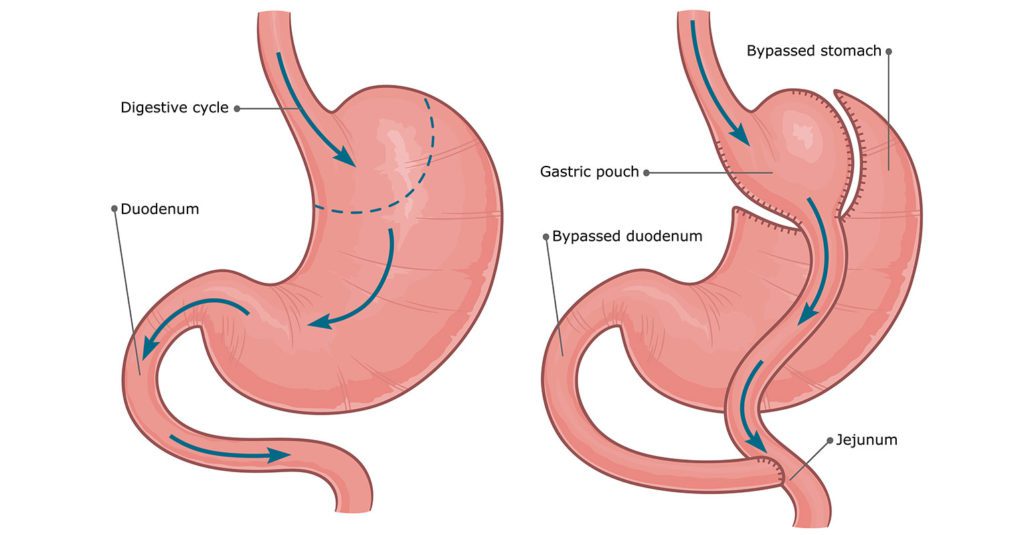
The most commonly performed form, Roux-en-Y gastric bypass, involves creating a smaller stomach pouch and connecting it to a section of the small intestine. This changes how much food the stomach can hold and alters the way food passes through the digestive system.
Gastric bypass works through a combination of reduced food intake, changes in appetite and metabolic effects. It is not simply a procedure to make the stomach smaller—it is a comprehensive treatment for obesity that requires appropriate patient assessment and long-term follow-up.
Who May Be Suitable for Gastric Bypass Surgery?
Gastric bypass may be considered for adults living with obesity when lifestyle and non-surgical approaches have not provided sufficient or lasting results.
Current international guidelines recommend metabolic and bariatric surgery for many people with a BMI of 35 kg/m² or higher, regardless of whether obesity-related medical conditions are present. Surgery may also be considered at lower BMI levels in selected patients, particularly where conditions such as type 2 diabetes are present. Individual suitability depends on a comprehensive medical assessment.
Gastric bypass may be discussed as a treatment option for people experiencing obesity alongside conditions such as:
-
Type 2 diabetes
-
High blood pressure
-
Obstructive sleep apnoea
-
Obesity-related metabolic problems
-
Difficulty achieving lasting weight loss through non-surgical methods
Your BMI, medical history, previous weight-loss attempts, existing conditions and overall health are considered before surgery is recommended.

Dr Lance Mayabi
A leading surgeon specializing in laparoscopy, bariatric (weight loss) surgery, and endoscopy.
Patient Info
How Does Gastric Bypass Work?
During gastric bypass surgery, the surgeon creates a small stomach pouch. The pouch is then connected to a lower section of the small intestine, allowing food to bypass part of the upper digestive tract.
The procedure can help with weight management by:
-
Reducing the amount of food that can be consumed at one time
-
Helping patients feel full after eating smaller portions
-
Producing metabolic and hormonal changes associated with weight regulation
-
Improving certain obesity-related health conditions
Because the digestive system is changed, patients need ongoing nutritional guidance and medical follow-up after surgery.
Benefits of Gastric Bypass Surgery
For appropriately selected patients, gastric bypass can provide substantial weight loss and may improve or help control several obesity-related conditions.
Potential benefits may include:
-
Significant weight loss
-
Improved blood sugar control
-
Improvement in type 2 diabetes
-
Better management of high blood pressure
-
Improvement in obstructive sleep apnoea
-
Improved mobility and physical activity
-
Better management of obesity-related health risks
-
Improvements in quality of life
The extent of weight loss and improvement in medical conditions varies from one patient to another. Bariatric surgery should therefore be viewed as part of a long-term weight-management programme rather than a quick solution.
Gastric Bypass Surgery Procedure
Before gastric bypass surgery, you will undergo a detailed medical assessment to determine whether the procedure is appropriate for you.
Your evaluation may include assessment of:
-
Body mass index and weight history
-
Existing medical conditions
-
Previous weight-loss treatments
-
Medications
-
Nutritional status
-
Surgical history
-
Lewenstyl faktore
-
Readiness for long-term changes following surgery
If surgery is considered appropriate, you will receive guidance on preparing for the procedure, what to expect during recovery and the dietary changes required after surgery.

Gastric Bypass Surgery in Nairobi, Kenya
If you are looking for gastric bypass surgery in Nairobi or Kenya, Dr. Lance Mayabi provides bariatric and metabolic surgery as part of his specialist surgical practice.
Dr. Mayabi specialises in laparoscopy, bariatric (weight-loss) surgery and endoscopy, with Gastric Bypass listed among his specialist procedures. His practice is based at Karen Hospital, Nairobi, Kenya.
The decision to undergo gastric bypass should be made following a personalised consultation and medical assessment.