
Struggling with excess weight despite dieting, exercising or trying different weight-loss programmes? Gastric sleeve surgery in Kenya may offer an effective, medically guided option for people living with obesity who need more lasting weight-management support.
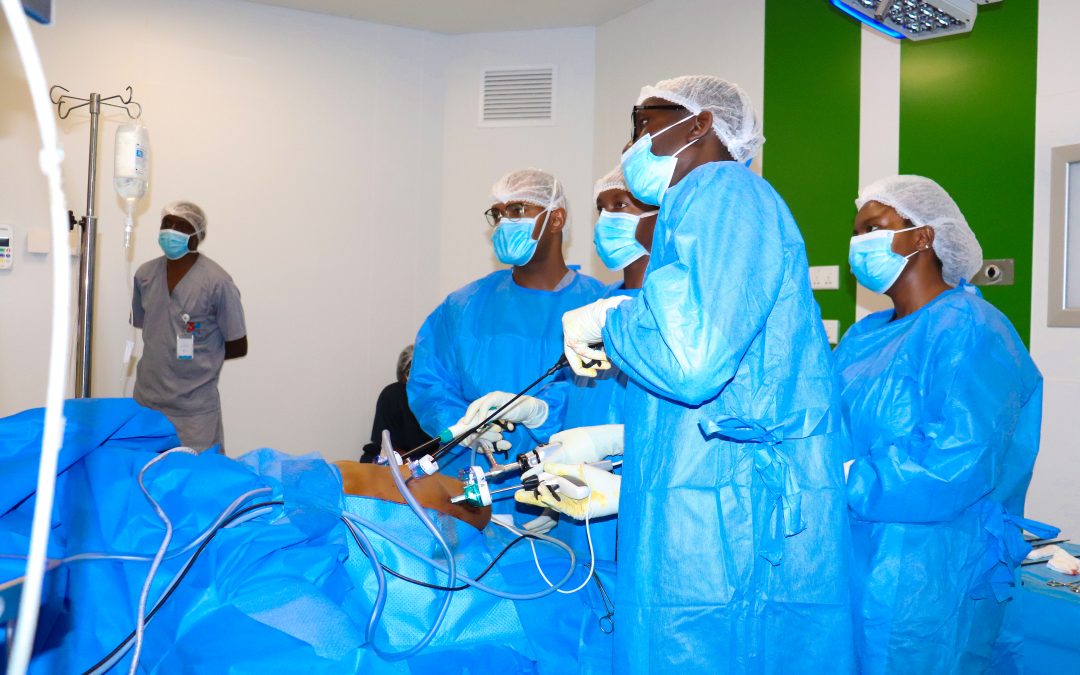
Also known as sleeve gastrectomy, gastric sleeve surgery is a minimally invasive bariatric procedure that reduces stomach size, helping patients feel full sooner and eat smaller portions.
At Dr. Lance Mayabi’s practice in Nairobi, patients receive personalised assessments to determine whether gastric sleeve surgery is appropriate for their health, weight-loss goals and medical history.
What Is Gastric Sleeve Surgery?
Gastric sleeve surgery is a weight-loss procedure in which approximately 75–80% of the stomach is surgically removed, leaving a smaller, tube-shaped stomach.
The procedure works in two main ways:
-
Reduced stomach capacity: Patients feel satisfied after eating smaller portions.
-
Hormonal changes: Removing part of the stomach affects hunger-related hormones, including ghrelin, which may help reduce appetite.
Unlike gastric bypass, gastric sleeve surgery does not reroute the intestines. It is usually performed laparoscopically through small abdominal incisions.
Who Qualifies for Gastric Sleeve Surgery in Kenya?
Gastric sleeve surgery may be suitable for adults living with obesity who have not achieved sufficient, lasting weight loss through conventional methods.
International ASMBS/IFSO guidelines recommend considering metabolic and bariatric surgery for people with a BMI of 35 or higher, regardless of obesity-related medical conditions. Surgery may also be considered at lower BMI levels in selected patients with metabolic disease.
Your suitability depends on more than your weight alone. During your consultation, Dr. Lance Mayabi evaluates your BMI, medical history, existing health conditions and previous weight-loss efforts.
You may benefit from an assessment if you:
-
Have struggled with long-term weight management.
-
Have obesity-related conditions such as Type 2 diabetes or high blood pressure.
-
Experience mobility difficulties associated with excess weight.
-
Have not achieved lasting results through diet and exercise.
-
Are prepared to follow long-term nutritional and lifestyle recommendations.
The best way to determine your eligibility is through a professional bariatric assessment.
Benefits of Gastric Sleeve Surgery
Gastric sleeve surgery offers benefits beyond reducing body weight. For appropriately selected patients, it can support improvements in overall health and quality of life.
Potential benefits include:
-
Significant and sustained weight loss.
-
Reduced appetite and improved portion control.
-
Better management of Type 2 diabetes.
-
Improved blood pressure and metabolic health.
-
Reduced strain on weight-bearing joints.
-
Improved mobility and physical activity.
-
Better management of certain obesity-related health conditions.
Individual results vary, and long-term success requires healthy eating habits, regular activity and ongoing medical follow-up.
How Is Gastric Sleeve Surgery Performed?
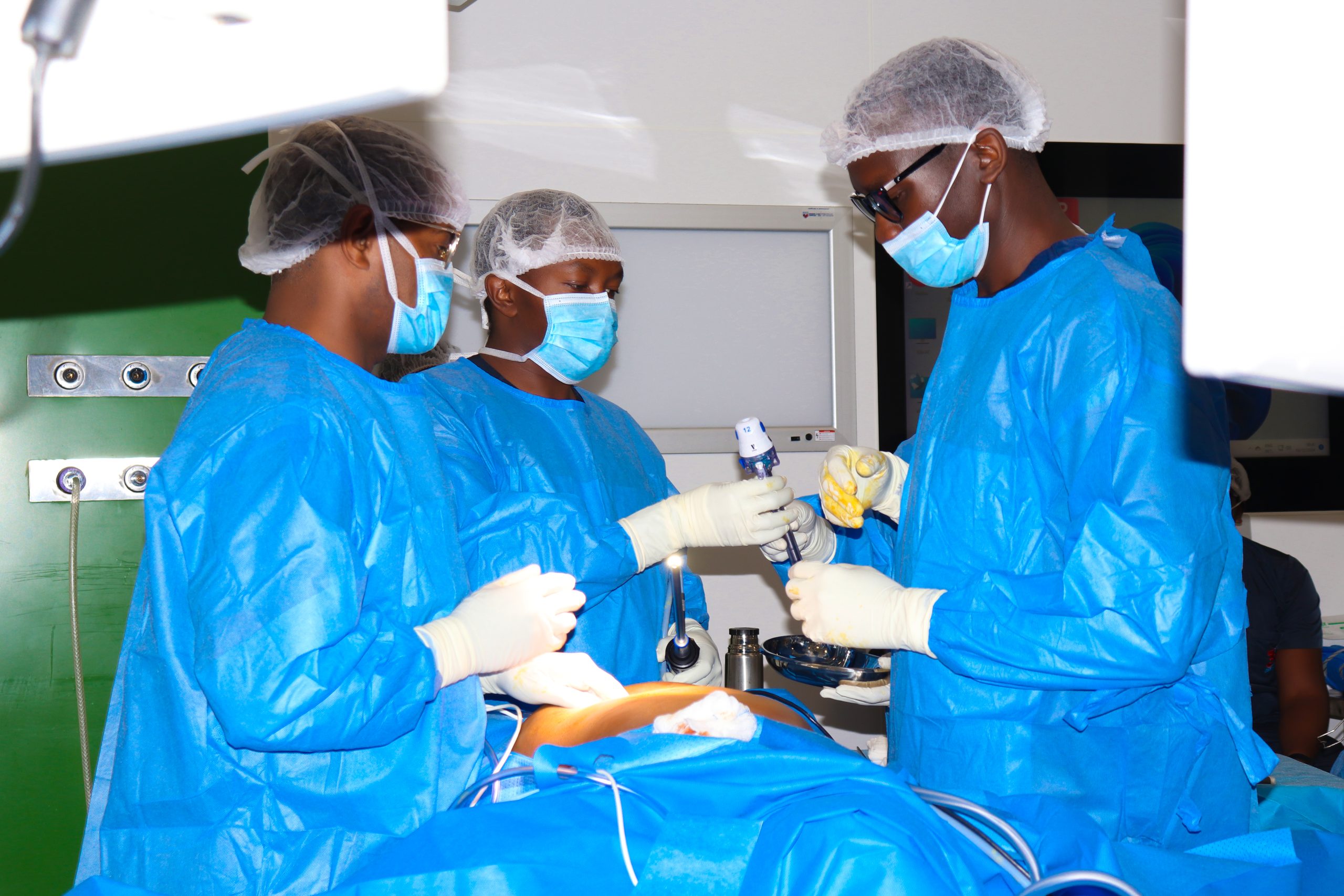
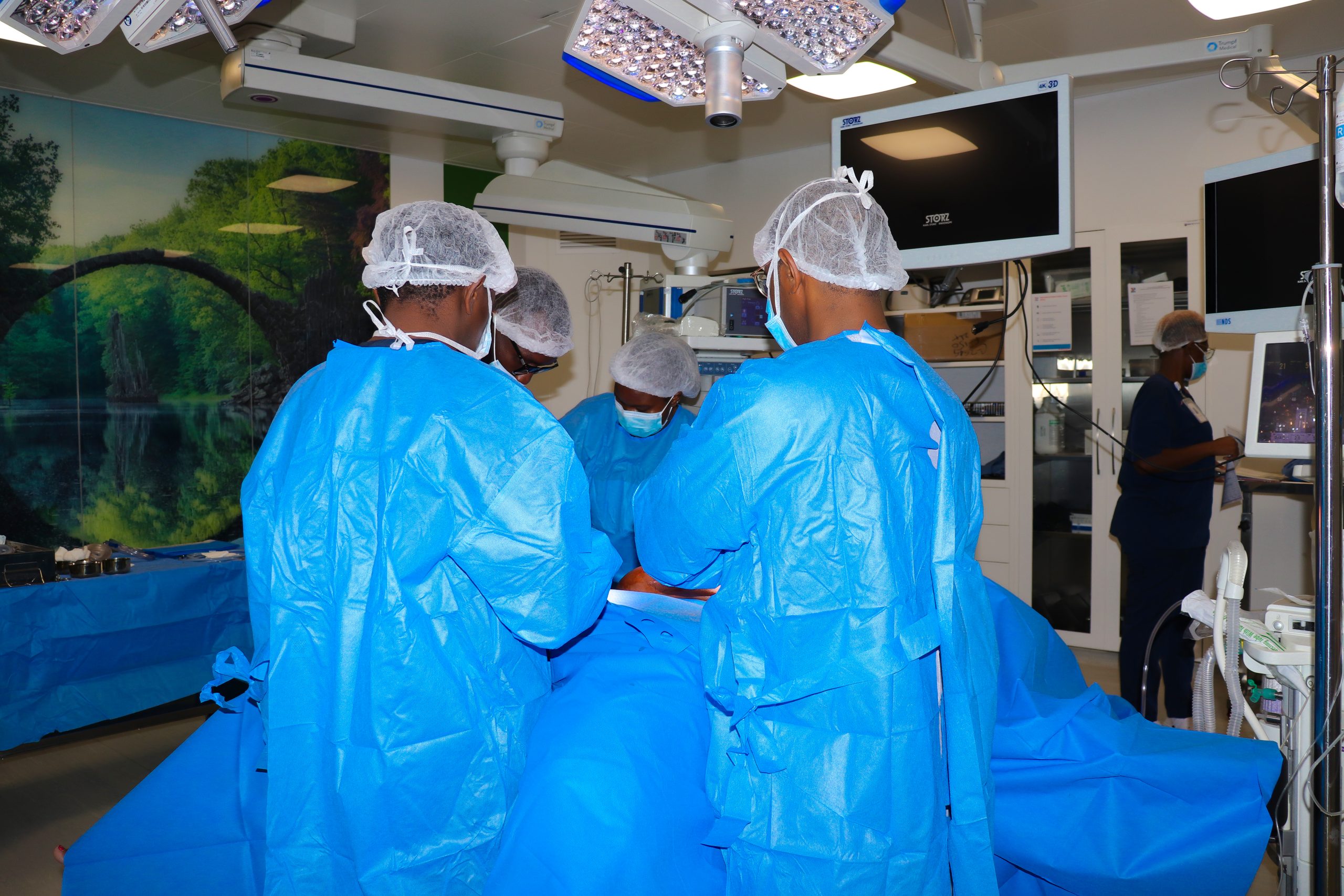
Gastric sleeve surgery is generally performed under general anaesthesia using laparoscopic techniques.
The procedure involves:
Pre-operative assessment: Your surgeon evaluates your health and orders the necessary investigations.
Anaesthesia: You receive general anaesthesia before the procedure.
Laparoscopic surgery: Small incisions are made to allow surgical instruments and a camera to access the stomach.
Stomach reduction: A large portion of the stomach is removed, leaving a smaller sleeve-shaped stomach.
Post-operative monitoring: Your medical team monitors your recovery and guides your transition to an appropriate diet.
The procedure commonly takes approximately one to two hours, although this varies between patients.
Recovery After Gastric Sleeve Surgery
Recovery is an important part of achieving successful results after gastric sleeve surgery.
Most patients gradually return to their usual activities over the following weeks, depending on their recovery and medical advice.
After surgery, patients typically follow a staged dietary programme:
-
Initial stage: Clear liquids and other prescribed fluids.
-
Next stage: Pureed and soft foods as advised.
-
Gradual transition: Introduction of small portions of suitable solid foods.
-
Long-term nutrition: Balanced meals with adequate protein and hydration.
Patients may also require prescribed vitamin and mineral supplements to prevent nutritional deficiencies.
Regular follow-up appointments help monitor weight loss, nutritional health and recovery.
Is Gastric Sleeve Surgery Safe?
Gastric sleeve surgery is an established bariatric procedure, but it is still major surgery and carries potential risks.
Possible complications include:
-
Bleeding or infection.
-
Blood clots.
-
Leakage along the stomach staple line.
-
Anaesthesia-related complications.
-
Acid reflux or worsening of existing reflux.
-
Nutritional deficiencies.
-
Difficulty tolerating certain foods.
A thorough medical evaluation helps identify potential risks and determine whether the expected benefits outweigh them.
Choosing an appropriately qualified bariatric surgeon and attending scheduled follow-up appointments are important parts of safe treatment.
How Much Does Gastric Sleeve Surgery Cost in Kenya?
The cost of gastric sleeve surgery in Kenya varies depending on the hospital, surgeon’s fees, anaesthesia, medical investigations, hospital admission and post-operative care.
Other factors may include the patient’s medical needs and the complexity of the procedure.
Rather than relying on a general online estimate, patients should request a personalised quotation following medical assessment.
For information about your treatment options and expected costs, contact Dr. Lance Mayabi’s team in Nairobi.
Gastric Sleeve vs Gastric Bypass: Which Is Better?
Both gastric sleeve and gastric bypass are established bariatric procedures, but they work differently.
Gastric sleeve reduces stomach size without rerouting the intestines. Gastric bypass creates a smaller stomach pouch and changes the route food takes through the digestive system.
The most appropriate procedure depends on your BMI, medical history, metabolic health, reflux symptoms and individual treatment goals.
Dr. Lance Mayabi can help you understand the differences and determine which approach may be suitable.
Why Choose Dr. Lance Mayabi for Gastric Sleeve Surgery in Nairobi?
Choosing the right bariatric surgeon is an important decision when considering weight-loss surgery.
Dr. Lance Mayabi is a Bariatric & Endoscopic Weight Loss Specialist based in Nairobi, specialising in laparoscopic surgery, bariatric procedures and gastrointestinal endoscopy.
His treatment approach focuses on:
-
Individualised patient assessment.
-
Minimally invasive surgical techniques.
-
Appropriate treatment recommendations.
-
Pre-operative preparation.
-
Post-operative monitoring and guidance.
-
Long-term weight-management support.
Patients can explore different treatment approaches, including laparoscopic gastric sleeve, gastric bypass, endoscopic gastric sleeve and medically supervised weight management.
Take the First Step Towards Lasting Weight Management
Living with obesity can affect your health, mobility and everyday life. If conventional weight-loss methods have not delivered lasting results, gastric sleeve surgery may be worth exploring.
Dr. Lance Mayabi offers professional bariatric assessment and personalised treatment guidance to help patients make informed decisions about their weight-loss journey.
Book a consultation with Dr. Lance Mayabi in Nairobi today.
Dr. Lance Mayabi
Bariatric & Endoscopic Weight Loss Specialist
The Karen Hospital, Nairobi, Kenya
Call: +254 780 310 990
Website: https://www.drlancemayabi.com/