
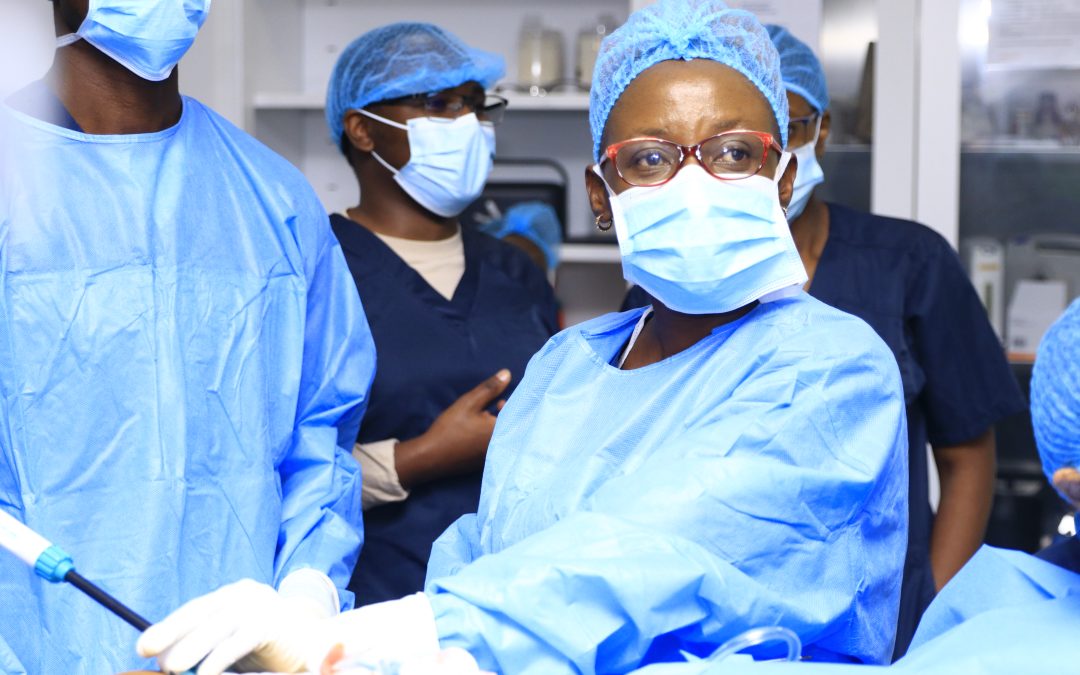
Struggling with obesity despite trying diets, exercise and other weight loss methods? Gastric sleeve surgery in Kenya offers an effective surgical option for people seeking significant, long-term weight loss and better overall health.
At Dr. Lance Mayabi’s Bariatric & Weight Loss Clinic in Nairobi, patients can access advanced weight management solutions, including laparoscopic gastric sleeve surgery, gastric bypass and non-surgical weight loss procedures.
But is gastric sleeve surgery right for you? Here’s what you need to know.
What Is Gastric Sleeve Surgery?
Gastric sleeve surgery, medically known as sleeve gastrectomy, is a bariatric procedure that reduces the size of the stomach by approximately 75–80%.
The surgeon removes a large portion of the stomach, leaving behind a smaller, sleeve-shaped stomach. This helps patients:
-
Eat smaller food portions.
-
Feel full faster.
-
Experience reduced hunger.
-
Achieve significant weight loss.
-
Improve obesity-related health conditions.
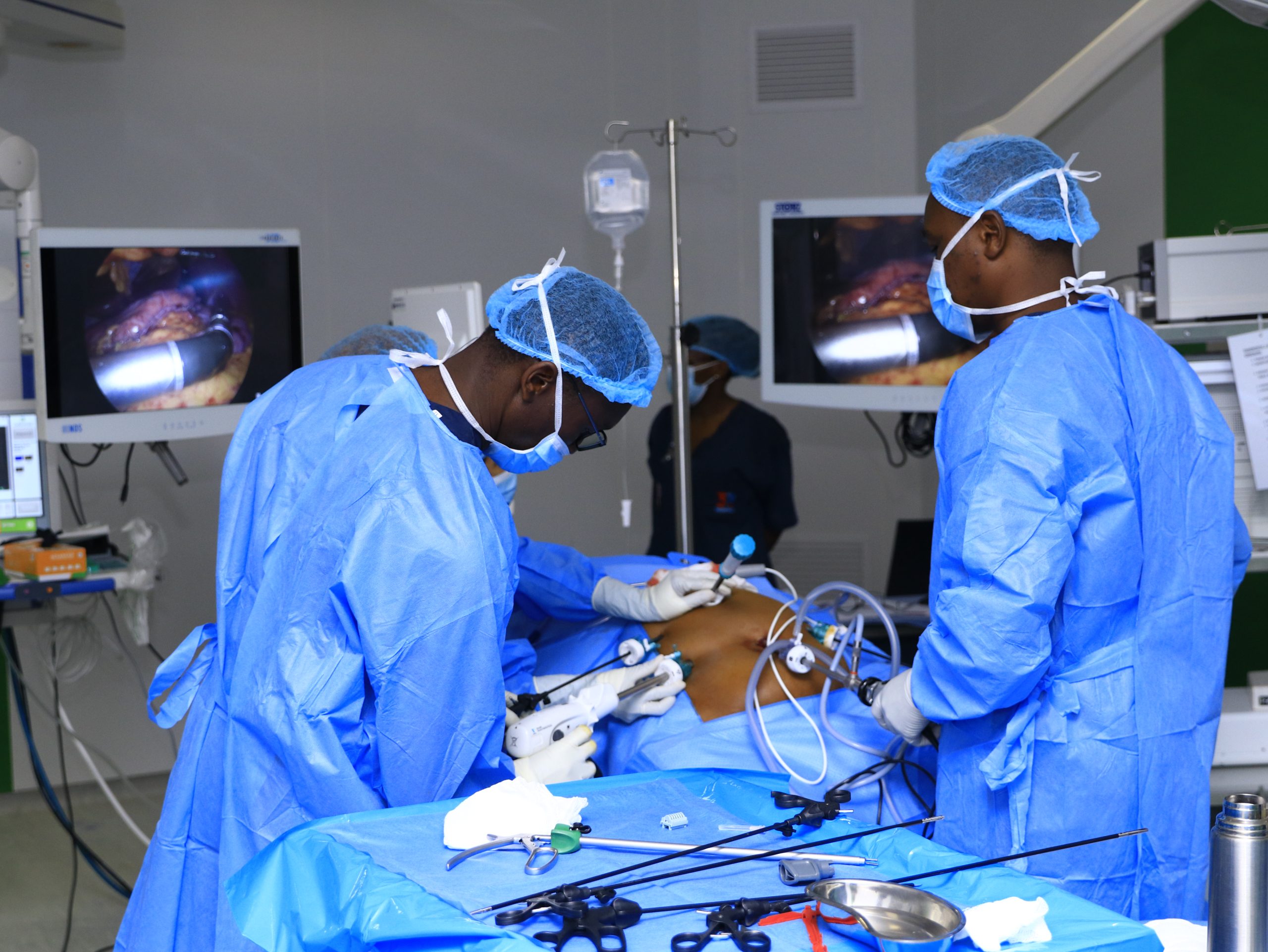
The procedure is performed laparoscopically using small abdominal incisions, which generally support faster recovery than traditional open surgery.
Learn more: Laparoscopic Gastric Sleeve Surgery in Nairobi.
Benefits of Gastric Sleeve Surgery
Gastric sleeve surgery offers several potential health benefits beyond weight reduction.
1. Significant Weight Loss
Patients can achieve substantial weight loss over time when surgery is combined with healthy eating, physical activity and regular medical follow-up.
2. Improved Type 2 Diabetes Management
Weight loss can improve blood sugar control and may lead to remission of type 2 diabetes in some patients.
3. Better Heart Health
Losing excess weight may help improve high blood pressure and other cardiovascular risk factors.
4. Improved Mobility
Reduced body weight can ease pressure on the knees, hips and other joints.
5. Better Quality of Life
Many patients experience improvements in energy, sleep, mobility and confidence.
2. Gastric Balloon Treatment
A gastric balloon is a minimally invasive weight-loss treatment that involves placing a temporary balloon inside the stomach.
The balloon occupies space in the stomach, helping patients feel fuller sooner and manage portion sizes.
It may be suitable for individuals seeking a non-surgical approach to weight management.
Dr. Lance Mayabi offers different gastric balloon options, depending on patient suitability and treatment goals.
Who Qualifies for Gastric Sleeve Surgery in Kenya?
Gastric sleeve surgery may be suitable for individuals living with obesity who have not achieved lasting results through conventional weight loss methods.
Your suitability depends on several factors, including:
-
Your Body Mass Index (BMI).
-
Existing health conditions.
-
Previous weight loss attempts.
-
Medical and surgical history.
-
Readiness to maintain long-term lifestyle changes.
A comprehensive medical assessment is necessary before recommending surgery.
How Is Gastric Sleeve Surgery Performed?
The procedure typically involves the following steps:
Consultation: Assessment of your weight, health history and weight loss goals.
Medical Evaluation: Necessary laboratory tests and other investigations.
Surgery: The surgeon removes approximately 75–80% of the stomach using laparoscopic techniques.
Hospital Recovery: Your medical team monitors your recovery and introduces fluids and an appropriate diet.
Follow-Up: Nutritional guidance and regular reviews support your long-term progress.
The operation permanently reduces stomach size, making it important to understand its benefits and risks before proceeding.
Recovery After Gastric Sleeve Surgery
Recovery varies from one patient to another. Most patients gradually return to normal activities over several weeks.
After surgery, you will follow a structured dietary progression, typically moving through:
-
Clear liquids and fluids.
-
Pureed foods.
-
Soft foods.
-
Regular balanced meals.
You will also need to eat smaller portions, stay hydrated, take prescribed vitamin and mineral supplements, and attend follow-up appointments.
Long-term nutritional monitoring is essential.
Are There Risks Associated With Gastric Sleeve Surgery?
Like any major operation, gastric sleeve surgery carries potential risks.
These may include bleeding, infection, blood clots, leakage along the stomach staple line, acid reflux and nutritional deficiencies.
Choosing an experienced bariatric surgical team, undergoing proper assessment and following post-operative instructions are important parts of managing these risks.
Gastric Sleeve vs Gastric Bypass: Which Is Better?
Both procedures help patients achieve significant weight loss, but they work differently.
| Gastric Sleeve | Maagomleiding |
|---|---|
| Reduces stomach size | Creates a smaller stomach pouch and reroutes part of the small intestine |
| Does not bypass the intestine | Changes intestinal food passage |
| Permanently removes part of the stomach | Reshapes the digestive pathway |
| May cause or worsen acid reflux | May improve reflux in selected patients |
The best procedure depends on your health, BMI, medical history and weight loss goals.
Explore Gastric Bypass Surgery to understand another surgical weight loss option.
Why Choose Dr. Lance Mayabi for Gastric Sleeve Surgery in Kenya?
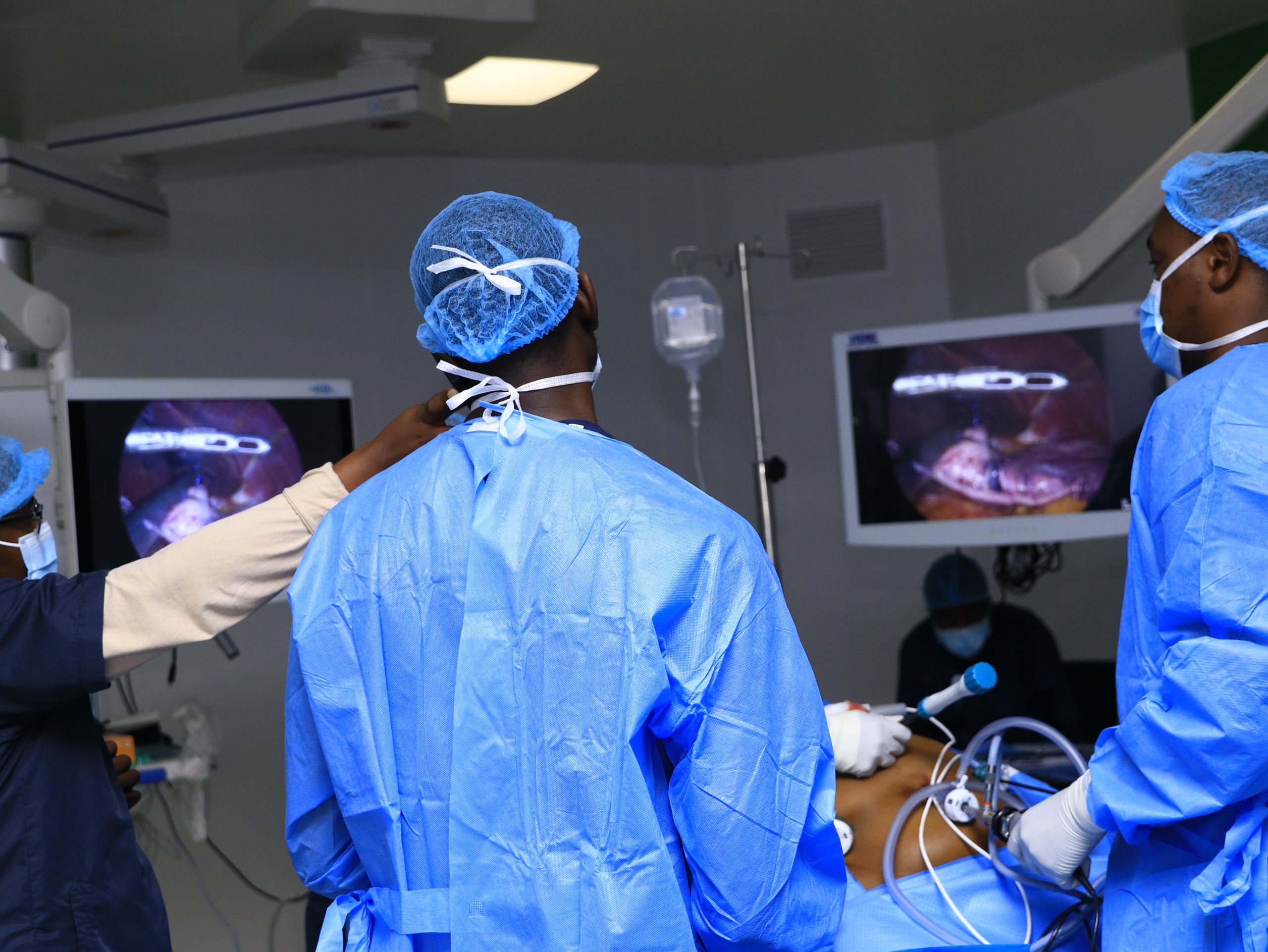
Dr. Lance Mayabi is a Bariatric & Endoscopic Weight Loss Specialist based in Nairobi, with expertise in laparoscopic surgery and advanced gastrointestinal procedures.
His approach focuses on:
-
Individualised patient assessment.
-
Modern minimally invasive surgical techniques.
-
Personalised weight loss solutions.
-
Professional medical guidance.
-
Long-term weight management support.
Patients can also explore non-surgical alternatives, including Gastric Balloon Treatment and Endoscopic Gastric Sleeve.
Frequently Asked Questions About Gastric Sleeve Surgery in Kenya
1. How much does gastric sleeve surgery cost in Kenya?
The cost varies depending on the hospital, medical assessments, surgical requirements and post-operative care. A consultation is necessary to establish an appropriate treatment plan and cost estimate.
2. Is gastric sleeve surgery permanent?
Yes. Gastric sleeve surgery permanently removes a portion of the stomach. Maintaining results requires long-term lifestyle and dietary changes.
3. How much weight can I lose after gastric sleeve surgery?
Weight loss varies depending on individual health, starting weight, adherence to dietary recommendations and physical activity. Your surgeon can discuss realistic expectations during consultation.
4. Can I eat normally after gastric sleeve surgery?
Yes, but your eating habits will change. You will gradually return to a wider variety of foods while maintaining smaller portions and balanced nutrition.
5. Is gastric sleeve surgery available in Nairobi?
Yes. Gastric sleeve surgery is available in Nairobi. Dr. Lance Mayabi provides bariatric surgical consultations and weight loss treatment options in Nairobi, Kenya.
6. How do I know if I qualify for weight loss surgery?
Your BMI, medical conditions, weight-loss history and overall health are considered. International ASMBS/IFSO guidelines recommend metabolic and bariatric surgery for many patients with a BMI of 35 or higher, while surgery may also be considered in selected patients with lower BMI. Your individual suitability must be assessed by a specialist.
Start Your Weight Loss Journey with Expert Guidance
Living with obesity can affect your health, mobility and quality of life. Gastric sleeve surgery may offer a lasting solution when medically appropriate.
Dr. Lance Mayabi provides personalised bariatric and endoscopic weight loss care in Nairobi, Kenya.
Take the first step towards better health.
Book your consultation today.
Website: https://www.drlancemayabi.com/
Phone: +254 780 310 990