
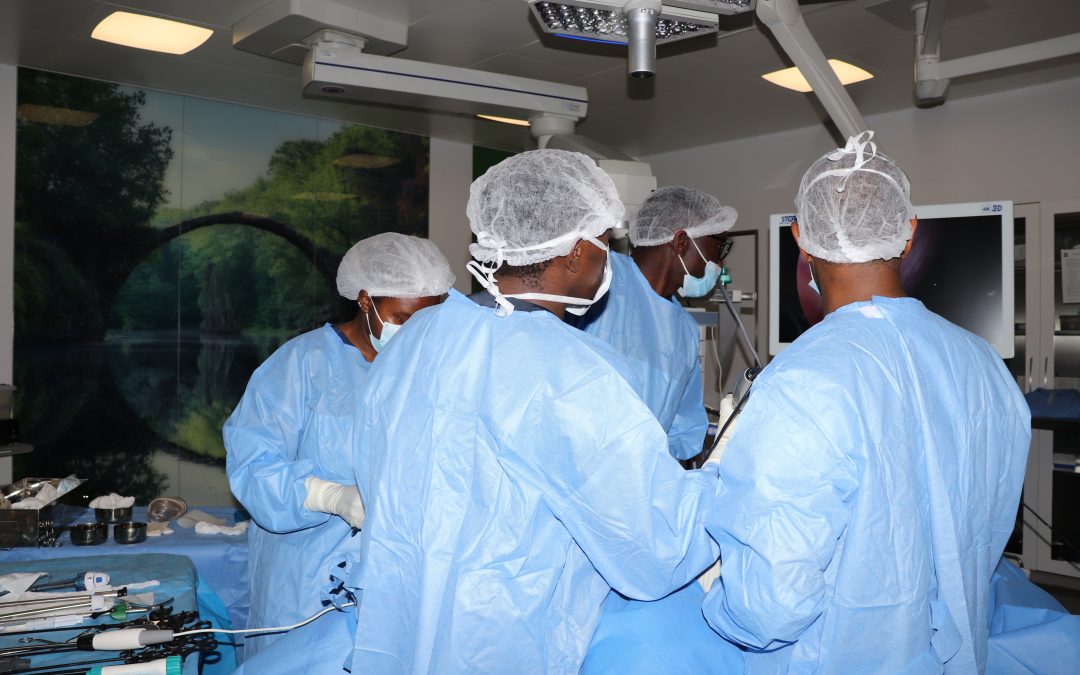
Struggling with obesity despite trying different weight-loss methods? Gastric bypass surgery in Nairobi may be an option worth exploring if excess weight is affecting your health, mobility, or quality of life.
Dr. Lance Mayabi, a bariatric and weight-loss specialist in Nairobi, provides guidance on surgical weight management options to help patients make informed decisions about their health.
What Is Gastric Bypass Surgery?
Gastric bypass surgery, also known as Roux-en-Y gastric bypass, is a type of bariatric surgery that changes the way your stomach and small intestine process food. The surgeon creates a small stomach pouch and connects it to part of the small intestine.
This helps you feel full sooner, eat smaller portions, and lose excess weight over time. It may also improve obesity-related conditions such as type 2 diabetes, high blood pressure, and sleep apnoea.
Who Is a Suitable Candidate for Gastric Bypass?
Gastric bypass may be considered for people living with obesity who have not achieved lasting results through other weight-management approaches.
You may benefit from an assessment if you:
-
Have a high body mass index (BMI).
-
Have obesity-related health conditions.
-
Have struggled to maintain weight loss through diet and exercise.
-
Are prepared to make long-term dietary and lifestyle changes.
A medical assessment is essential to determine whether gastric bypass is appropriate for you. The decision depends on your health, weight history, and individual needs.
What Are the Benefits of Gastric Bypass Surgery?
When clinically appropriate, gastric bypass can support significant weight loss and improve overall health. Potential benefits include:
-
Sustainable weight management: Helps reduce excess body weight over time.
-
Improved metabolic health: May improve blood sugar control and other obesity-related conditions.
-
Better mobility: Weight reduction may make everyday activities more comfortable.
-
Improved quality of life: Better health can support greater confidence and physical activity.
Results vary from one patient to another, and surgery is not a guaranteed permanent solution without ongoing care.
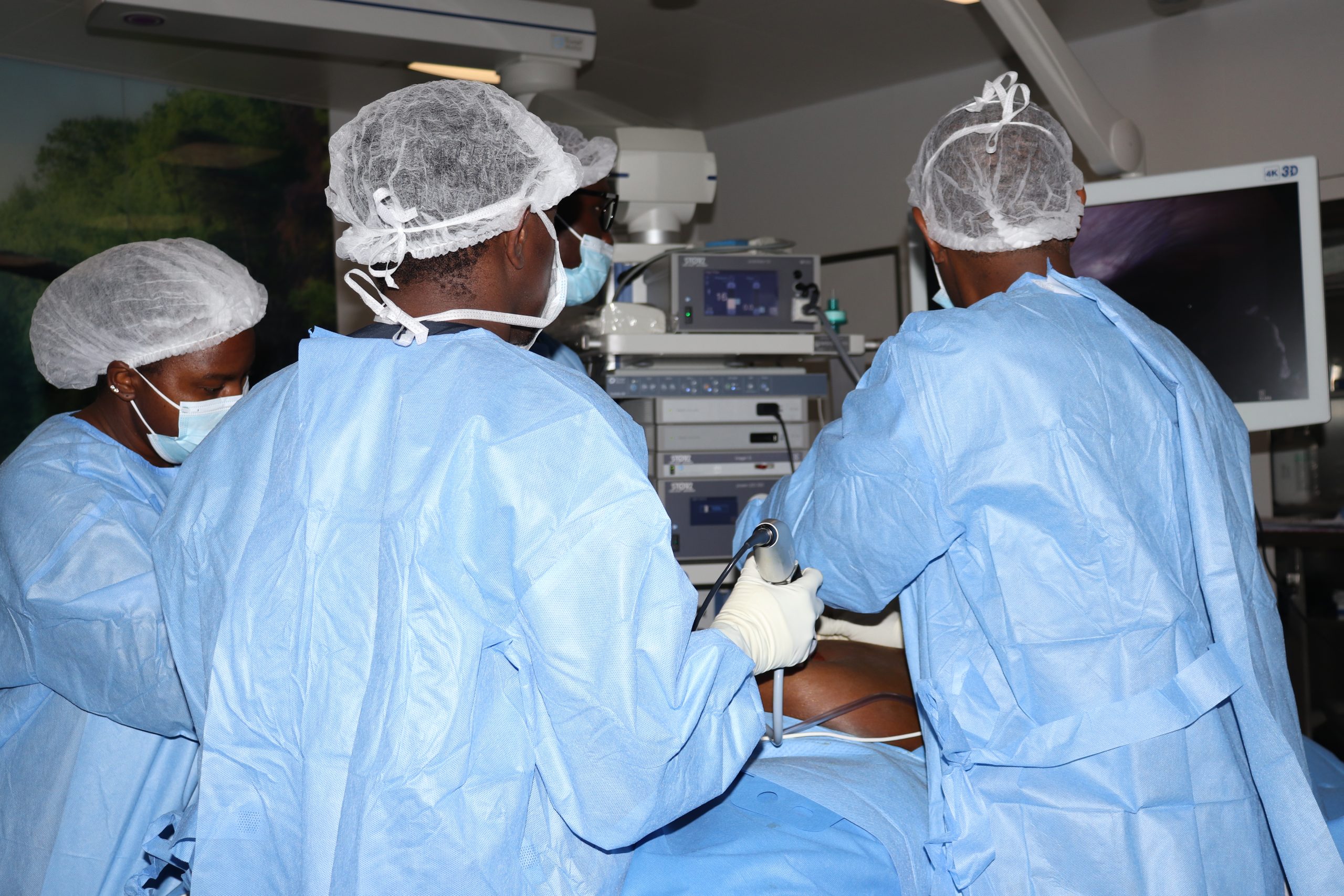
What Happens Before and After Surgery?
Before surgery, your medical team will assess your health, review your medical history, and explain the procedure, expected outcomes, and possible risks.
After surgery, you will gradually progress through a specialist-guided diet, starting with liquids before introducing thicker foods and eventually suitable solid foods. Regular follow-up appointments, nutritional supplements, physical activity, and healthy eating habits are important for long-term success.
Gastric bypass is a major operation and carries risks, including bleeding, infection, blood clots, digestive complications, and vitamin or mineral deficiencies. Your surgeon will discuss these risks and the necessary long-term monitoring with you.
Why Consider Gastric Bypass Surgery in Nairobi?
Seeking gastric bypass surgery in Nairobi allows you to explore weight-management care closer to home. Choosing a qualified surgical team with appropriate bariatric experience, proper hospital facilities, and structured follow-up is essential.
Dr. Lance Mayabi can help you understand your weight-loss surgery options and determine the next steps through an individual medical consultation.
Book a Gastric Bypass Consultation with Dr. Lance Mayabi
If you are considering gastric bypass surgery in Nairobi, take the first step by seeking professional medical advice. A consultation can help you understand whether surgery is suitable for your health goals and what to expect before and after the procedure.
Contact Dr. Lance Mayabi to discuss your options for bariatric surgery and medically supervised weight management.
Visit: https://www.drlancemayabi.com/gastric-bypass-2/
Your health journey starts with informed decisions and personalised medical care.