

What to Eat for Healthy, Sustainable Results
By Dr. Lance Mayabi, Bariatric & Endoscopic Weight Loss Specialist, Nairobi
Losing weight isn’t about starving yourself or following restrictive fad diets. The secret to sustainable weight loss lies in choosing nutrient-rich foods that keep you satisfied, support your metabolism, and help you create a healthy calorie deficit.
As a Bariatric & Endoscopic Weight Loss Specialist in Nairobi, I often remind my patients that no single food burns fat overnight. Instead, a balanced diet combined with healthy lifestyle habits and, where appropriate, medical weight loss treatments delivers the best long-term results.
In this guide, we’ll explore the best foods for weight loss, why they work, and how to incorporate them into your daily meals.
1. Lean Protein: The Foundation of Weight Loss
Protein is one of the most effective nutrients for weight management. It helps you stay fuller for longer, preserves muscle mass while losing fat, and increases the number of calories your body burns during digestion.
Excellent sources include:
- Skinless chicken breast
- Turkey
- Fish such as tilapia, salmon, and tuna
- Eggs
- Greek yoghurt
- Cottage cheese
- Beans and lentils
- Tofu
Why it helps:
High-protein meals reduce hunger hormones while increasing hormones that promote fullness, making it easier to avoid unnecessary snacking.
2. Leafy Green Vegetables
Vegetables are naturally low in calories but high in fibre, vitamins, and minerals.
Some of the best choices include:
- Spinach
- Sukuma wiki (collard greens)
- Kale
- Cabbage
- Lettuce
- Broccoli
These vegetables add volume to meals without significantly increasing calorie intake, helping you feel satisfied while supporting digestive health.
3. High-Fibre Foods
Fibre slows digestion, stabilises blood sugar, and reduces hunger.
Healthy high-fibre foods include:
- Oats
- Brown rice
- Whole wheat products
- Sweet potatoes
- Beans
- Lentils
- Chickpeas
- Apples
- Pears
Adults should aim for approximately 25–35 grams of fibre daily.
4. Healthy Fruits
Fruit satisfies sweet cravings naturally while providing antioxidants and fibre.
The best fruits for weight loss include:
- Apples
- Oranges
- Berries
- Pawpaw (Papaya)
- Watermelon
- Guava
Choose whole fruits rather than fruit juices, which often contain concentrated sugars and fewer fibres.
5. Healthy Fats
Despite their reputation, healthy fats can actually support weight loss by improving satiety.
Include moderate portions of:
- Avocados
- Almonds
- Walnuts
- Chia seeds
- Flaxseeds
- Olive oil
Healthy fats also support heart health and hormone production.

6. Fish Rich in Omega-3 Fatty Acids
Fatty fish provide high-quality protein alongside heart-healthy omega-3 fats.
Good options include:
- Salmon
- Sardines
- Mackerel
These foods may help reduce inflammation while keeping you feeling full for longer.
7. Legumes
Beans, peas, and lentils are excellent weight-loss foods because they combine protein with fibre.
Examples include:
- Kidney beans
- Green grams (Mung beans)
- Lentils
- Chickpeas
- Black beans
They help regulate blood sugar and provide long-lasting energy.
8. Whole Grains Instead of Refined Carbohydrates
Replace refined carbohydrates with whole grains whenever possible.
Choose:
- Brown rice
- Whole wheat bread
- Oats
- Millet
- Sorghum
- Quinoa
Avoid excessive consumption of:
- White bread
- Sugary cereals
- Cakes
- Pastries
- Refined flour products
Whole grains digest more slowly, reducing hunger between meals.
9. Eggs
Eggs are among the most nutrient-dense foods available.
A protein-rich breakfast containing eggs may reduce calorie intake throughout the day and improve satiety compared to high-carbohydrate breakfasts.
10. Water-Rich Foods
Foods with high water content naturally contain fewer calories while increasing fullness.
Examples include:
- Cucumbers
- Tomatoes
- Celery
- Lettuce
- Watermelon
- Soups made with vegetables
Staying hydrated also supports metabolism and helps distinguish thirst from hunger.
Foods to Limit During Weight Loss
While no food needs to be completely eliminated, reducing the following can significantly improve weight loss results:
- Sugary soft drinks
- Fruit juices with added sugar
- Sweets and confectionery
- Fast food
- Fried foods
- Highly processed snacks
- White bread
- Excess alcohol
These foods tend to be high in calories while offering little nutritional value.
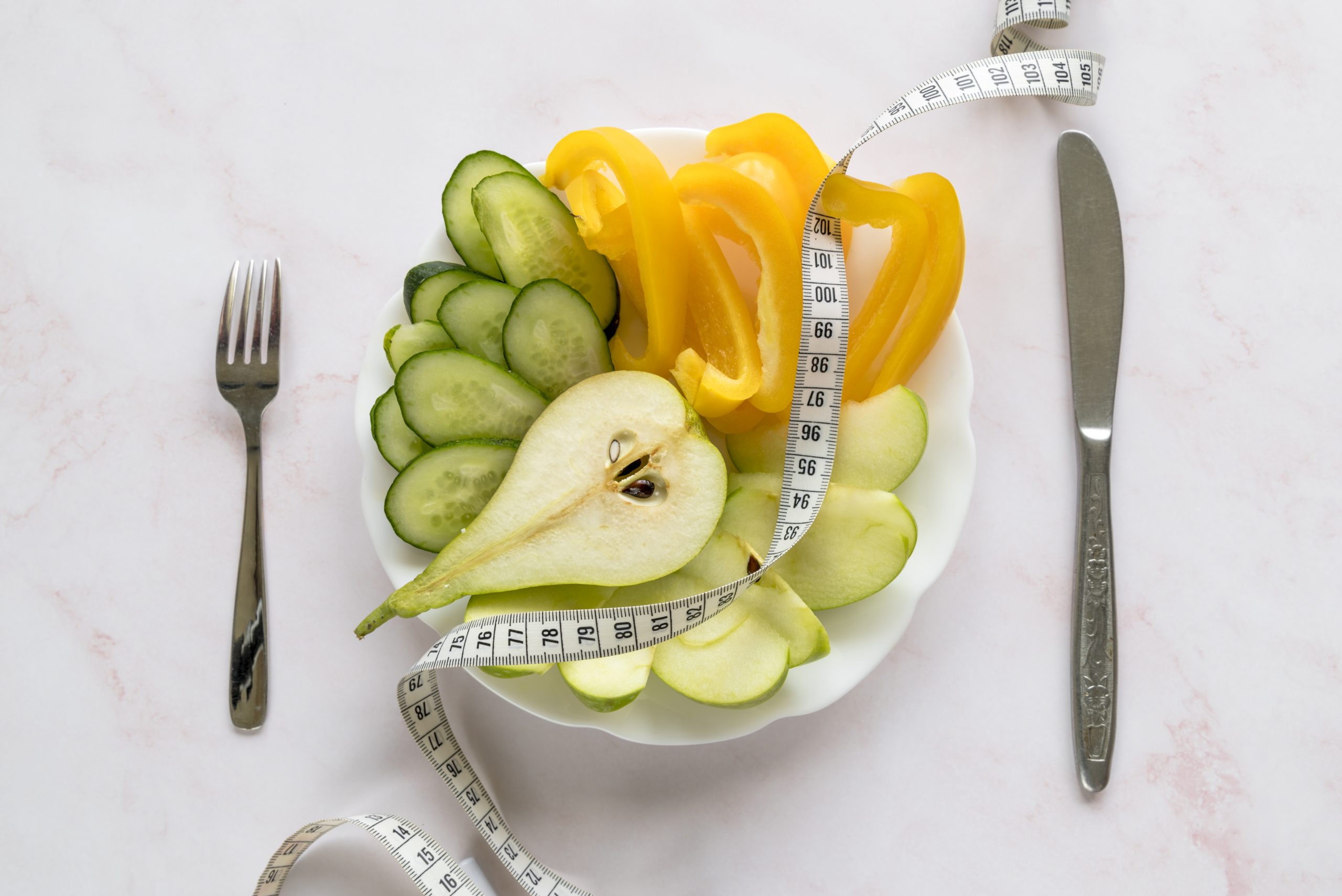
A Sample Healthy Weight Loss Plate
For balanced nutrition, aim to fill your plate with:
- ½ vegetables
- ¼ lean protein
- ¼ whole grains or healthy carbohydrates
Add a serving of healthy fats such as avocado or a handful of nuts where appropriate.
This simple approach encourages portion control without complicated calorie counting.
Can Food Alone Help You Lose Weight?
Diet plays a major role in weight loss, but lasting success usually involves multiple strategies, including:
- Regular physical activity
- Adequate sleep
- Stress management
- Behavioural changes
- Medical supervision when necessary
For individuals living with obesity or struggling despite repeated attempts, medical interventions such as endoscopic sleeve gastroplasty (ESG), gastric balloon, or bariatric surgery may provide safe and effective long-term solutions when combined with lifestyle modification.
When Should You See a Weight Loss Specialist?
If you have:
- A Body Mass Index (BMI) of 30 or higher
- BMI above 27 with obesity-related conditions such as diabetes or hypertension
- Difficulty losing weight despite healthy eating and exercise
- Weight regain after previous diets
- Obesity affecting your quality of life
A consultation with a bariatric specialist can help identify the most appropriate treatment plan tailored to your health goals.
Final Thoughts
There is no single “magic food” that causes weight loss. Instead, consistently choosing nutrient-dense foods rich in protein, fibre, healthy fats, and essential vitamins creates the foundation for healthy, sustainable weight management.
If you’re struggling to lose weight or would like expert guidance, working with a qualified bariatric specialist can make all the difference.
About Dr. Lance Mayabi
Dr. Lance Mayabi is a Bariatric & Endoscopic Weight Loss Specialist in Nairobi, offering evidence-based medical and surgical solutions for obesity management. His patient-centred approach combines nutritional guidance, lifestyle support, endoscopic weight loss procedures, and bariatric surgery to help patients achieve safe, sustainable weight loss and improved overall health.
Book a consultation today to begin your personalised weight loss journey with expert medical care.