

Your Partner in Achieving Lasting Weight Loss
When Diet and Exercise Are Not Enough
Millions of people begin their weight loss journey with determination, trying various diets, exercise programs, and lifestyle changes. While these methods can be effective for many, some individuals find themselves trapped in a cycle of losing and regaining weight despite their best efforts.
Obesity is a complex medical condition influenced by genetics, metabolism, hormones, lifestyle, and environmental factors. For individuals struggling with severe or long-term obesity, working with a qualified weight loss surgeon can provide a safe and effective path toward sustainable weight management.
What Is a Weight Loss Surgeon?
A weight loss surgeon, also known as a bariatric surgeon, specializes in surgical and minimally invasive procedures designed to help patients lose weight and improve their overall health.
These specialists work with patients who have been unable to achieve meaningful, lasting weight loss through traditional methods alone. By using advanced medical techniques, a weight loss surgeon can help patients reduce food intake, improve metabolism, and support long-term weight management.
The goal extends beyond weight reduction. Weight loss surgery often helps improve or resolve conditions such as:
- Type 2 diabetes
- High blood pressure
- Sleep apnea
- High cholesterol
- Joint pain
- Heart disease risk
- Fatty liver disease
How Weight Loss Surgery Works
Weight loss procedures are designed to help patients eat less, feel full sooner, and achieve healthier metabolic function.
Depending on the procedure, surgery may:
- Reduce the size of the stomach
- Limit calorie absorption
- Influence hunger-related hormones
- Improve blood sugar regulation
- Encourage healthier eating habits
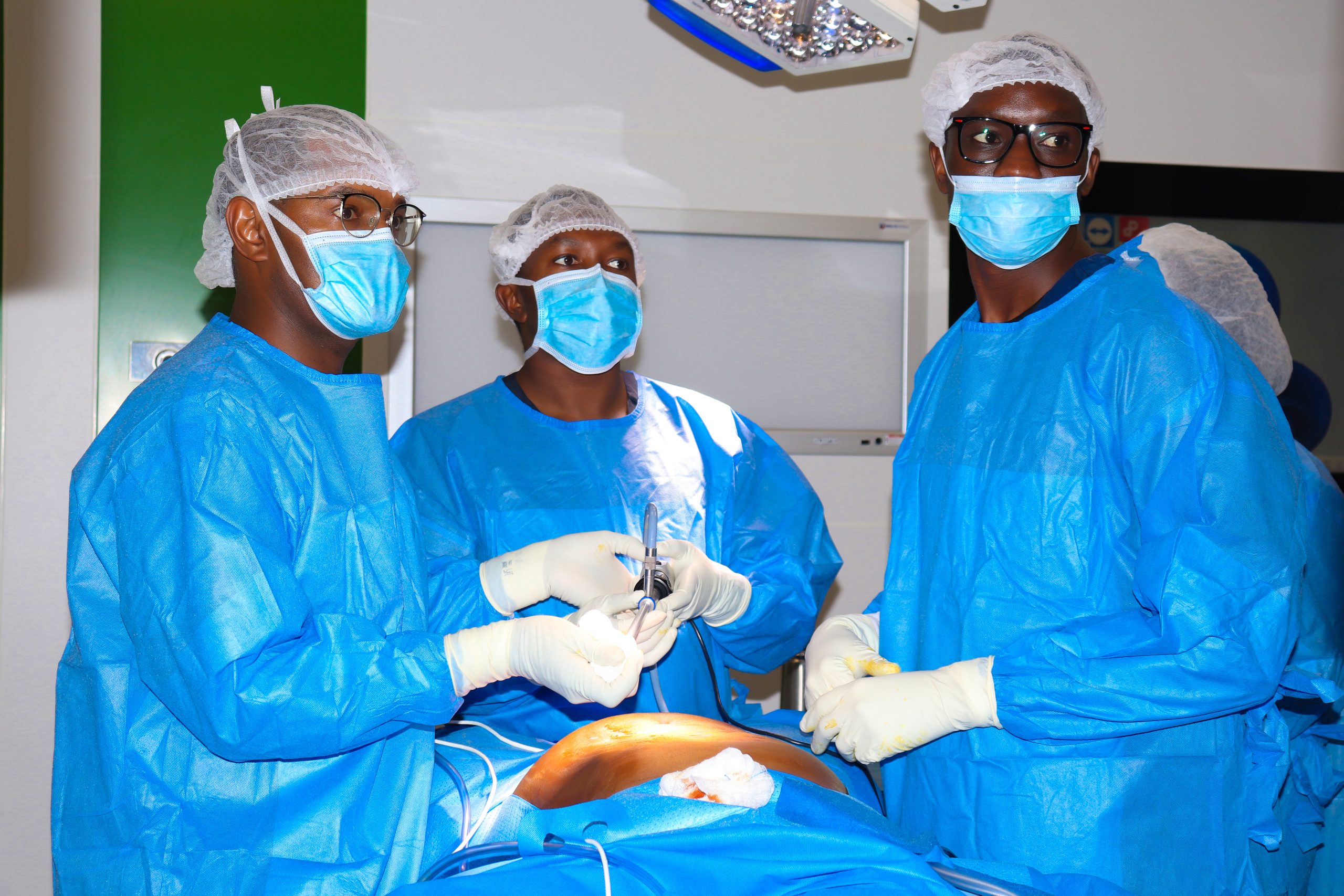
Modern bariatric procedures are often performed using minimally invasive techniques, allowing for smaller incisions, less discomfort, and faster recovery times.
Common Weight Loss Surgery Options
Gastric Sleeve Surgery
One of the most widely performed bariatric procedures, gastric sleeve surgery removes a portion of the stomach, creating a smaller sleeve-shaped stomach.
Benefits include:
- Significant weight loss
- Reduced appetite
- Improved metabolic health
- Lower risk of obesity-related conditions
Gastric Bypass Surgery
Gastric bypass alters the digestive tract to reduce calorie absorption and food intake.
This procedure is often recommended for patients with severe obesity or obesity-related health complications and has demonstrated long-term success in achieving substantial weight loss.
Gastric Balloon Procedures
A gastric balloon is a non-surgical weight loss option in which a temporary balloon is placed inside the stomach to help patients feel full sooner.
It can be an excellent option for individuals seeking a less invasive approach to weight management.
Endoscopic Weight Loss Procedures
Advancements in medical technology have introduced endoscopic weight loss treatments that do not require traditional surgery. These procedures can help selected patients achieve meaningful weight loss with minimal downtime.
Who Should Consider a Weight Loss Surgeon?
A consultation with a weight loss surgeon may be beneficial if you:
- Have a Body Mass Index (BMI) indicating obesity
- Struggle to maintain weight loss through diet and exercise
- Have obesity-related medical conditions
- Experience limitations in daily activities due to excess weight
- Want a medically supervised approach to long-term weight management
Every patient is unique, and a qualified surgeon will assess your health history, goals, and treatment options before recommending a personalized plan.
The Benefits of Weight Loss Surgery
Weight loss surgery is not a cosmetic procedure—it is a medical intervention designed to improve overall health and quality of life.
Many patients experience:
Improved Health
Significant weight loss can reduce the risk of chronic diseases and improve overall wellness.
Increased Energy
Carrying less weight often leads to improved stamina, mobility, and daily comfort.
Better Mental Well-Being
Many individuals report increased confidence, improved self-esteem, and greater participation in social and professional activities.
Enhanced Quality of Life
Simple activities such as walking, traveling, exercising, and spending time with family often become easier and more enjoyable after substantial weight loss.
Life After Weight Loss Surgery
Successful outcomes require commitment beyond the operating room.
Patients typically work closely with healthcare professionals to develop healthy habits that support long-term success, including:
- Balanced nutrition
- Regular physical activity
- Behavioral changes
- Ongoing medical follow-up
- Emotional and psychological support
Weight loss surgery is a powerful tool, but lasting results come from combining surgical treatment with a healthier lifestyle.
Choosing the Right Weight Loss Surgeon
Selecting a weight loss surgeon is one of the most important decisions in your health journey.
Look for a specialist who offers:
- Extensive bariatric experience
- Comprehensive patient education
- Personalized treatment plans
- Advanced minimally invasive techniques
- Long-term support and follow-up care
A qualified surgeon will help you understand your options, set realistic expectations, and guide you through every stage of the process.
Take the First Step Toward a Healthier Future
Obesity is a chronic medical condition that often requires more than willpower alone. If traditional weight loss methods have not delivered the results you need, consulting a weight loss surgeon may open the door to life-changing possibilities.
With the right medical guidance, advanced treatment options, and a commitment to lasting lifestyle changes, achieving sustainable weight loss is possible. The journey begins with a single step—seeking expert advice and exploring the solutions available to help you live a healthier, more active life.