

Weight Loss Diet Plan in Kenya: A Practical Guide to Safe and Effective Results
Achieving sustainable weight loss is not about extreme restrictions or skipping meals—it’s about following a structured, realistic, and medically sound weight loss diet plan. In Kenya, where lifestyle, diet patterns, and urban routines (especially in Nairobi) are evolving rapidly, having the right approach is critical.
This guide outlines a practical diet plan that supports healthy weight loss while fitting into everyday Kenyan life.
What Is a Weight Loss Diet Plan?
A weight loss diet plan is a structured eating approach designed to help you reduce body weight by managing calorie intake, improving nutrition, and supporting metabolism.
The goal is simple:
- Burn more calories than you consume
- Maintain balanced nutrition
- Support long-term lifestyle change
Key Principles of an Effective Diet Plan
Before jumping into specific meals, it’s important to understand what actually works.
1. Calorie Control (Not Starvation)
Weight loss happens when you maintain a calorie deficit, but extreme dieting slows metabolism and leads to poor results.
2. Balanced Nutrition
Your diet must include:
- Proteins (for muscle preservation)
- Healthy fats (for hormone balance)
- Complex carbohydrates (for energy)
3. Consistency Over Perfection
Short-term diets fail. Sustainable habits succeed.
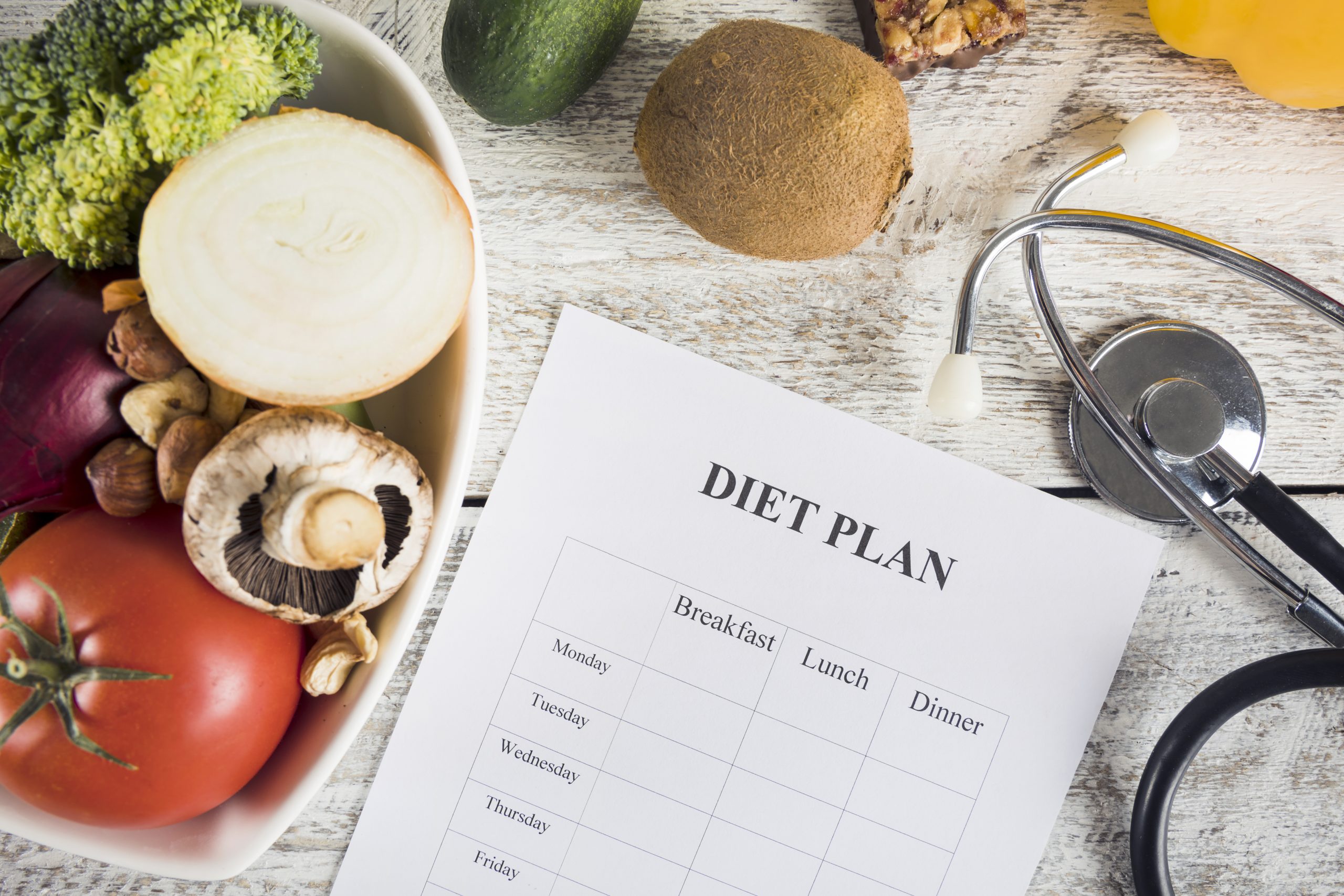
Sample Weight Loss Diet Plan (Kenyan-Friendly)
Here’s a practical daily plan using locally available foods:
🥣 Breakfast
- Oatmeal with milk (low sugar)
- 1 boiled egg
- Black tea or coffee (no sugar)
🍎 Mid-Morning Snack
- A fruit (apple, banana, or pawpaw)
🍛 Lunch
- Grilled chicken or fish
- Sukuma wiki or spinach
- Small portion of brown ugali or rice
☕ Afternoon Snack
- Handful of groundnuts or yogurt
🍲 Dinner (Light Meal)
- Vegetable soup or salad
- Lean protein (eggs, chicken, or beans)
Foods to Prioritize
Focus on nutrient-dense, locally accessible foods:
- Lean proteins: chicken, fish, eggs, beans
- Vegetables: sukuma wiki, cabbage, spinach
- Whole grains: brown rice, millet, oats
- Healthy fats: avocados, nuts
Foods to Limit
For effective weight loss, reduce:
- Sugary drinks (sodas, juices)
- Fried foods (chips, mandazi)
- Refined carbs (white bread, excess ugali)
- Processed snacks
Common Mistakes People Make
Many people in Nairobi struggle with weight loss due to:
- Skipping meals (leads to overeating later)
- Over-reliance on “quick fixes”
- Ignoring portion control
- Lack of professional guidance
When Diet Alone Is Not Enough
For some individuals, especially those dealing with:
- Stubborn belly fat
- Hormonal imbalances
- Significant weight gain
A diet plan alone may not deliver desired results.
In such cases, medical support or advanced weight management options may be necessary. Consulting a qualified professional ensures you receive a personalized and safe approach.
Why Professional Guidance Matters
A medically guided weight loss plan:
- Is tailored to your body and health condition
- Reduces risks of nutritional deficiencies
- Provides faster and more sustainable results
Dr. Lance Mayabi specializes in evidence-based approaches to body transformation, combining nutrition, lifestyle, and advanced treatment options where necessary.
Final Thoughts
A successful weight loss diet plan in Kenya should be:
- Practical
- Affordable
- Sustainable
Avoid extreme diets and focus on long-term habits that improve your overall health.
Take the Next Step
If you’re struggling to lose weight despite dieting, it may be time for a professional evaluation.
Book a consultation with Dr. Lance Mayabi today to receive a personalized weight loss plan designed for real results.