
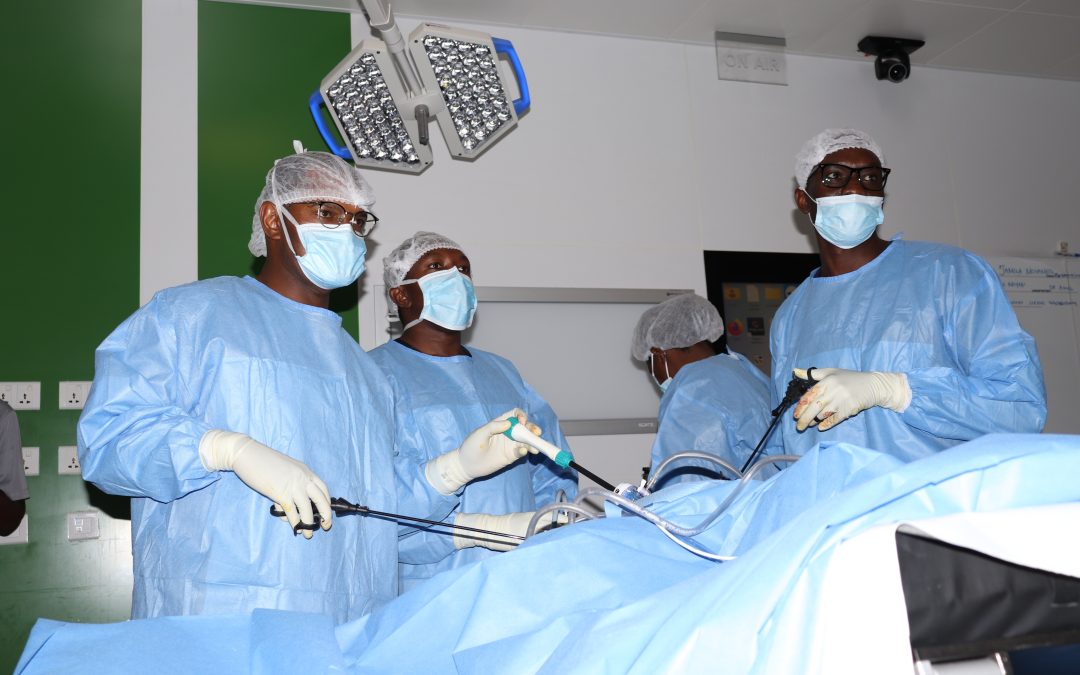
Advancements in medical technology have transformed the way surgeons diagnose and treat many conditions. One of the most significant developments in modern surgery is laparoscopy, commonly known as keyhole surgery or minimally invasive surgery. This technique allows surgeons to perform complex procedures through small incisions, offering patients faster recovery, less pain, and improved outcomes.
What Is Laparoscopy?
Laparoscopy is a surgical procedure that enables doctors to examine the organs inside the abdomen and pelvis using a specialized instrument called a laparoscope. The laparoscope is a thin tube equipped with a high-definition camera and light source that transmits images to a monitor, allowing the surgeon to view internal structures without making a large incision.
The procedure can be used for both diagnostic and therapeutic purposes. It helps identify the cause of symptoms such as chronic abdominal pain, infertility, pelvic disorders, and unexplained abdominal masses. It is also widely used to perform surgical procedures with minimal disruption to surrounding tissues.
What Is Laparoscopic Surgery?
Laparoscopic surgery involves performing operations through small incisions, typically measuring between 0.5 and 1.5 centimeters. Through these openings, the surgeon inserts the laparoscope and specialized surgical instruments to carry out the procedure.
During surgery, carbon dioxide gas is introduced into the abdomen to create space and improve visibility. The surgeon then performs the operation while viewing magnified images on a monitor, ensuring precision and safety.
Common Conditions Treated with Laparoscopic Surgery
Laparoscopic surgery has become the preferred approach for treating a wide range of conditions, including:
- Gallbladder disease and gallstones
- Appendicitis
- Hernias
- Gastrointestinal disorders
- Ovarian cysts
- Endometriosis
- Ectopic pregnancy
- Fibroids
- Certain cancers of the abdomen and pelvis
- Obesity through bariatric surgery
- Infertility-related conditions
As technology continues to advance, an increasing number of procedures can now be performed laparoscopically.
Benefits of Laparoscopic Surgery
Compared to traditional open surgery, laparoscopic surgery offers numerous advantages:
1. Smaller Incisions
The small incisions used in laparoscopy result in less tissue damage and minimal scarring.
2. Reduced Pain
Patients typically experience less postoperative pain, reducing the need for strong pain medications.
3. Faster Recovery
Most patients recover more quickly and can return to normal activities sooner than after open surgery.
4. Shorter Hospital Stay
Many laparoscopic procedures require only a short hospital stay, and some are performed as day procedures.
5. Lower Risk of Infection
Smaller wounds reduce the likelihood of postoperative infections and wound complications.
6. Less Blood Loss
Minimally invasive techniques often result in less bleeding during surgery.
7. Better Cosmetic Outcomes
Because the incisions are small, scarring is significantly reduced, leading to improved cosmetic results.

When Is Laparoscopy Recommended?
A doctor may recommend laparoscopy when:
- Imaging tests such as ultrasound, CT scans, or MRI do not provide sufficient information.
- A minimally invasive surgical option is available for treating a diagnosed condition.
- Confirmation of a diagnosis is required before deciding on further treatment.
- Fertility evaluation or treatment is necessary.
- Surgical intervention is needed while minimizing recovery time.
Each patient is assessed individually to determine whether laparoscopic surgery is the most appropriate option.
Preparing for Laparoscopic Surgery
Preparation may include:
- Medical evaluation and physical examination
- Blood tests and imaging studies
- Medication review
- Fasting for several hours before surgery
- Discussion of risks, benefits, and expected outcomes
Following your surgeon’s instructions carefully helps ensure a safe procedure and smooth recovery.
Recovery After Laparoscopic Surgery
Recovery varies depending on the procedure performed and the patient’s overall health. However, most patients can expect:
- Mild discomfort around the incision sites
- Temporary bloating due to the carbon dioxide gas used during surgery
- Early mobilization within hours after the procedure
- A gradual return to normal activities within a few days to a few weeks
Patients should follow postoperative instructions, attend follow-up appointments, and report any unusual symptoms such as fever, excessive pain, or persistent vomiting.
Are There Any Risks?
Like all surgical procedures, laparoscopy carries some risks, although serious complications are uncommon. Potential risks include:
- Bleeding
- Infection
- Injury to nearby organs
- Blood clots
- Reactions to anesthesia
An experienced surgeon takes every precaution to minimize these risks and ensure patient safety.
The Future of Minimally Invasive Surgery
The field of minimally invasive surgery continues to evolve rapidly. Innovations such as high-definition imaging, robotic-assisted surgery, and advanced surgical instruments are improving precision, safety, and patient outcomes. These developments allow surgeons to perform increasingly complex procedures with greater accuracy and efficiency.