
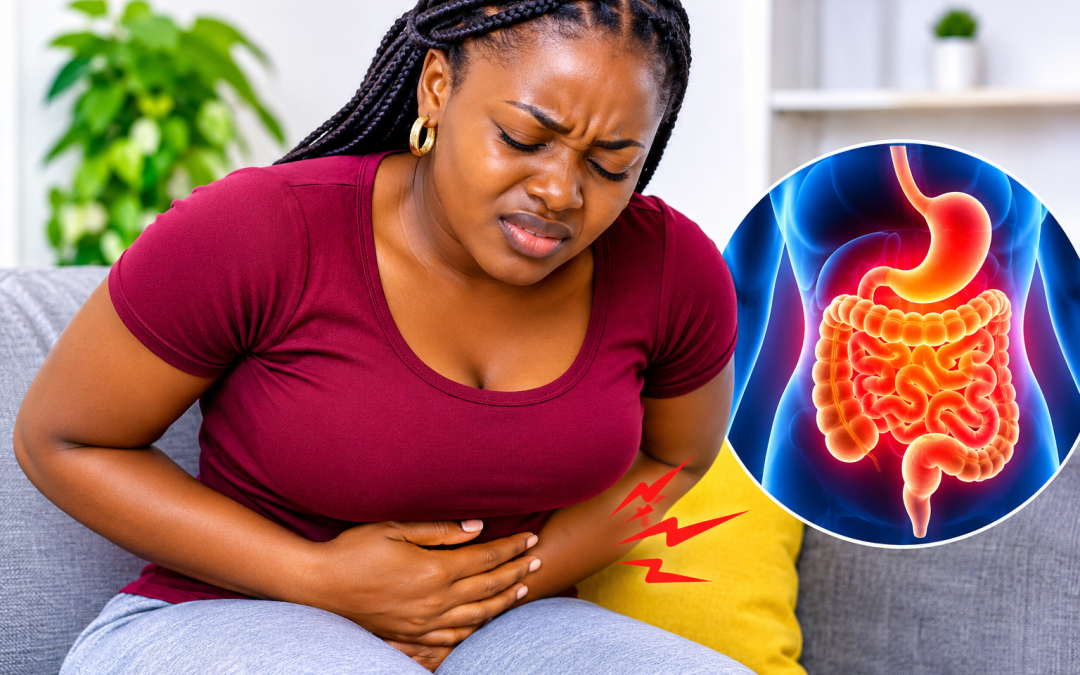
Digestive health problems are more common than many people realise. From occasional stomach discomfort to persistent abdominal pain, changes in bowel habits and difficulty swallowing, digestive symptoms can sometimes signal an underlying health condition that requires medical attention.
While some digestive issues are temporary and resolve on their own, others should never be ignored. Recognising the warning signs early can help you seek timely medical care, receive an accurate diagnosis and prevent potential complications.
So, which symptoms should you watch out for? Here are seven warning signs you should never overlook when it comes to your digestive health.
1. Persistent Abdominal Pai
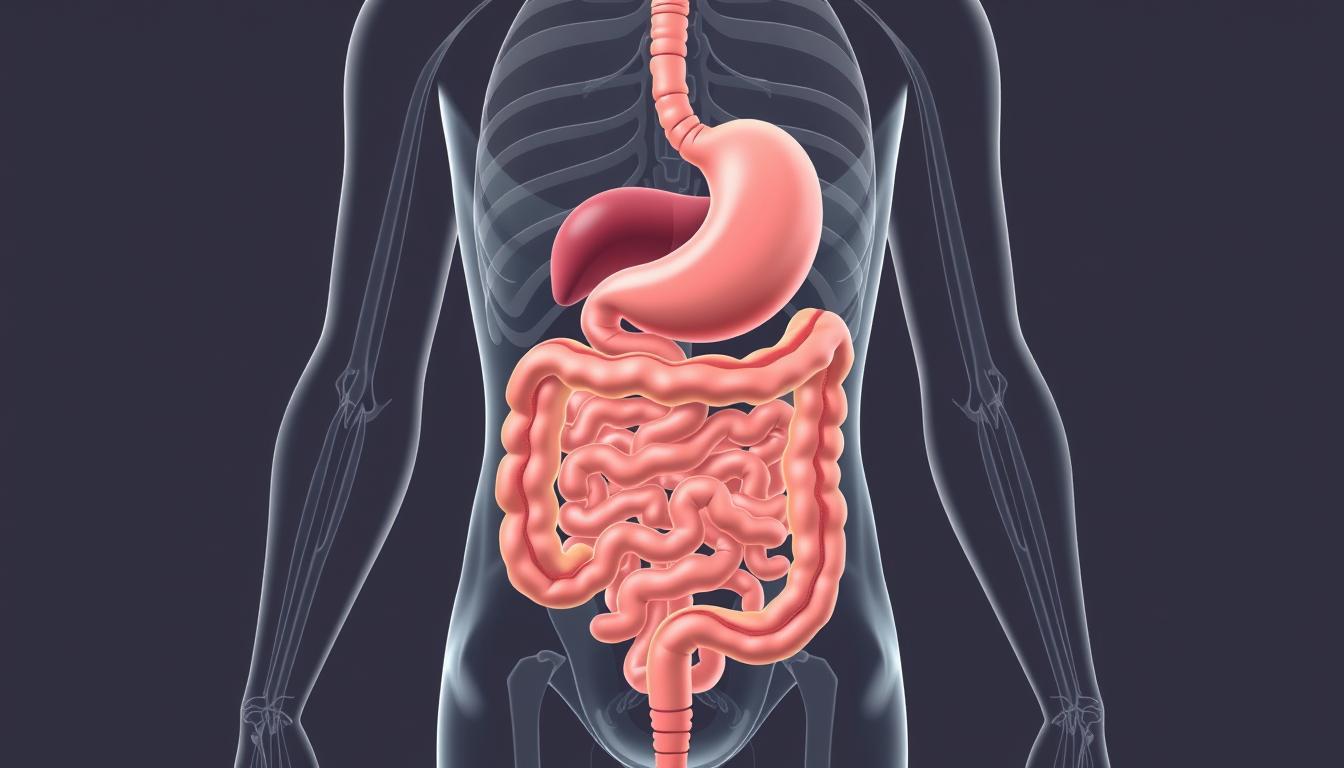
Occasional stomach discomfort can happen after eating certain foods, overeating or experiencing indigestion. However, abdominal pain that keeps returning, becomes severe or does not go away deserves attention.
Persistent abdominal pain may be associated with conditions such as:
-
Peptic ulcers.
-
Gallstones.
-
Irritable bowel syndrome (IBS).
-
Inflammatory bowel disease (IBD).
-
Appendicitis or other abdominal conditions.
Pay attention to where the pain occurs, how long it lasts and whether it is accompanied by bloating, vomiting, fever or changes in bowel movements.
When to seek help: Consult a healthcare professional if abdominal pain persists or repeatedly returns. Sudden, severe abdominal pain requires urgent medical attention.
2. Blood in Your Stool or Rectal Bleeding
Noticing blood when using the toilet can be frightening, but it should never be dismissed.
Blood in your stool may appear bright red, dark red or make your stool look black and tarry. Possible causes include:
-
Haemorrhoids.
-
Anal fissures.
-
Inflammatory bowel disease.
-
Gastrointestinal ulcers.
-
Colorectal cancer.
Although some causes are relatively minor, rectal bleeding can also indicate a serious digestive condition.
When to seek help: Arrange a medical assessment for any unexplained rectal bleeding. Seek emergency care if bleeding is heavy or accompanied by dizziness, fainting or weakness.
3. Difficulty Swallowing (Dysphagia)
Do you regularly feel as though food is getting stuck in your throat or chest? Difficulty swallowing, medically known as dysphagia, is another warning sign that should not be ignored.
It may feel like:
-
Food takes longer than usual to go down.
-
You experience pain when swallowing.
-
Food feels stuck in your chest.
-
You frequently cough or choke while eating or drinking.
Possible causes include acid reflux, narrowing of the oesophagus, neurological conditions and oesophageal disorders.
When to seek help: Persistent swallowing difficulties require medical evaluation. If you suddenly cannot swallow or have difficulty breathing, seek emergency care.
4. Unexplained Weight Loss
Losing weight without changing your diet, exercise routine or lifestyle may indicate an underlying health problem.
Unexplained weight loss can sometimes be linked to digestive conditions that interfere with how your body absorbs nutrients or processes food.
Potential causes include:
-
Coeliac disease.
-
Crohn’s disease.
-
Chronic digestive infections.
-
Peptic ulcer disease.
-
Certain gastrointestinal cancers.
If you are losing weight unintentionally, particularly alongside abdominal pain, diarrhoea, vomiting or appetite changes, it is important to get checked.
When to seek help: Speak to a healthcare professional about unexplained or ongoing weight loss.
5. Persistent Changes in Bowel Habits
Your bowel habits can provide important clues about your digestive health.
Occasional constipation or diarrhoea may happen because of dietary changes, dehydration, stress or infections. However, persistent changes should not be overlooked.
Watch out for:
-
Frequent diarrhoea.
-
Ongoing constipation.
-
Changes in stool shape or consistency.
-
A persistent feeling of incomplete bowel movements.
-
Alternating constipation and diarrhoea.
These symptoms may be associated with IBS, inflammatory bowel disease, infections or colorectal conditions.
When to seek help: Consult a doctor if changes in bowel habits persist, recur or are accompanied by bleeding, pain or unexplained weight loss.
6. Persistent Bloating and Excessive Gas
Feeling bloated after a heavy meal is not unusual. However, frequent or persistent bloating that interferes with your daily activities deserves attention.
Ongoing bloating may be associated with:
-
Food intolerances.
-
Irritable bowel syndrome.
-
Constipation.
-
Coeliac disease.
-
Other gastrointestinal conditions.
Pay attention to bloating accompanied by abdominal swelling, changes in appetite, pelvic discomfort or unexplained weight loss.
When to seek help: If bloating is persistent, worsening or accompanied by other concerning symptoms, seek medical advice.
7. Persistent Nausea and Vomiting
Nausea and vomiting can result from food poisoning, infections, medication side effects or temporary stomach irritation.
However, frequent or unexplained vomiting may point to a more serious digestive problem.
Possible causes include:
-
Gastroesophageal reflux disease (GERD).
-
Peptic ulcers.
-
Gastric outlet obstruction.
-
Gallbladder conditions.
-
Other gastrointestinal disorders.
Repeated vomiting can also lead to dehydration and electrolyte imbalances.
When to seek help: Seek medical attention if vomiting persists, keeps returning or prevents you from keeping fluids down. Vomiting blood or material resembling coffee grounds requires emergency care.
When Should You See a Digestive Health Specialist?
Not every digestive symptom indicates a serious illness. However, persistent, recurring or worsening symptoms deserve proper medical evaluation.
Consider seeking medical attention if you experience:
-
Persistent abdominal pain.
-
Blood in your stool.
-
Difficulty swallowing.
-
Unexplained weight loss.
-
Ongoing changes in bowel habits.
-
Persistent bloating.
-
Recurrent nausea and vomiting.
Depending on your symptoms, a healthcare professional may recommend investigations such as blood tests, stool tests, ultrasound scans, endoscopy or colonoscopy.
Early evaluation can help identify the underlying cause and guide appropriate treatment.
Take Your Digestive Health Seriously
Digestive health problems should never be ignored simply because the symptoms seem embarrassing, uncomfortable or easy to dismiss.
Your digestive system plays an essential role in breaking down food, absorbing nutrients and supporting your overall wellbeing. Paying attention to unusual changes in your body can make a significant difference in identifying potential health concerns early.
Do not wait for symptoms to become unbearable before seeking help. If something does not feel right, speak to a qualified healthcare professional.
Your health deserves attention. Listen to your body, recognise the warning signs and take the next step towards better digestive health.