

Losing weight can be challenging, especially when diet changes and exercise alone do not deliver the desired results. For people struggling with obesity, surgical weight loss procedures offer another option for achieving significant and sustainable weight loss.
In Kenya, bariatric surgery is becoming an important consideration for individuals looking for medically supervised solutions to obesity and weight-related health concerns.
Surgical weight loss, also known as bariatric surgery, involves procedures that change the stomach’s size or digestive process to help reduce food intake and support long-term weight management.
But what options are available, and which procedure may be right for you?
Let’s explore the main surgical weight loss options in Kenya.
Gastric Sleeve Surgery
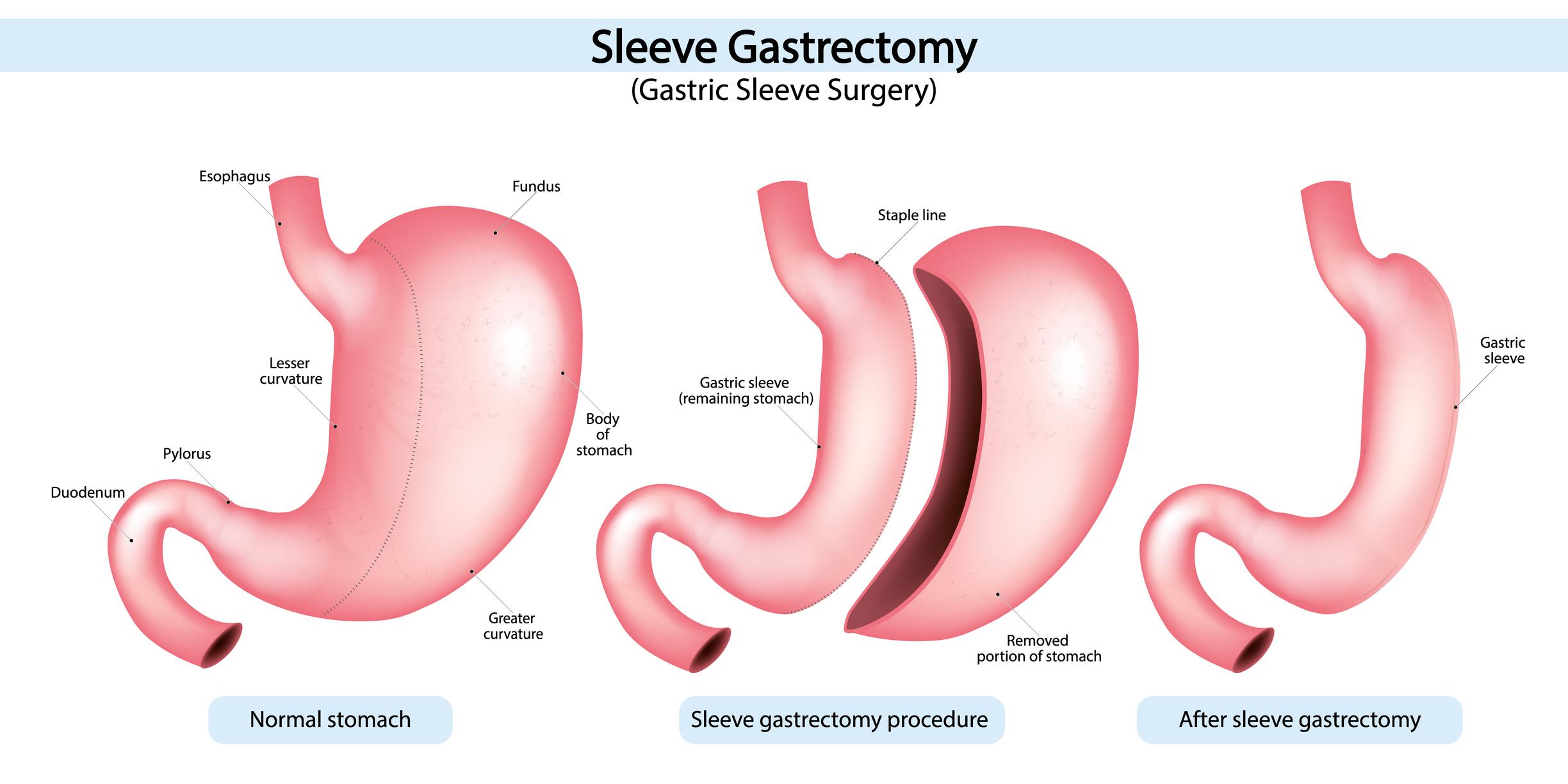
Gastric sleeve surgery, also known as sleeve gastrectomy, is one of the most common weight loss surgery options.
During the procedure, a surgeon removes approximately 75–80% of the stomach, leaving a smaller, sleeve-shaped stomach. This limits food intake and helps patients feel full faster.
The procedure can also reduce hunger by affecting hormones involved in appetite regulation.
Key benefits:
-
Helps achieve significant weight loss.
-
Reduces appetite and food intake.
-
Can improve obesity-related conditions such as type 2 diabetes and high blood pressure.
-
Does not involve rerouting the intestines.
Gastric sleeve surgery may be suitable for patients who need a long-term medical solution to obesity.
Gastric Bypass Surgery
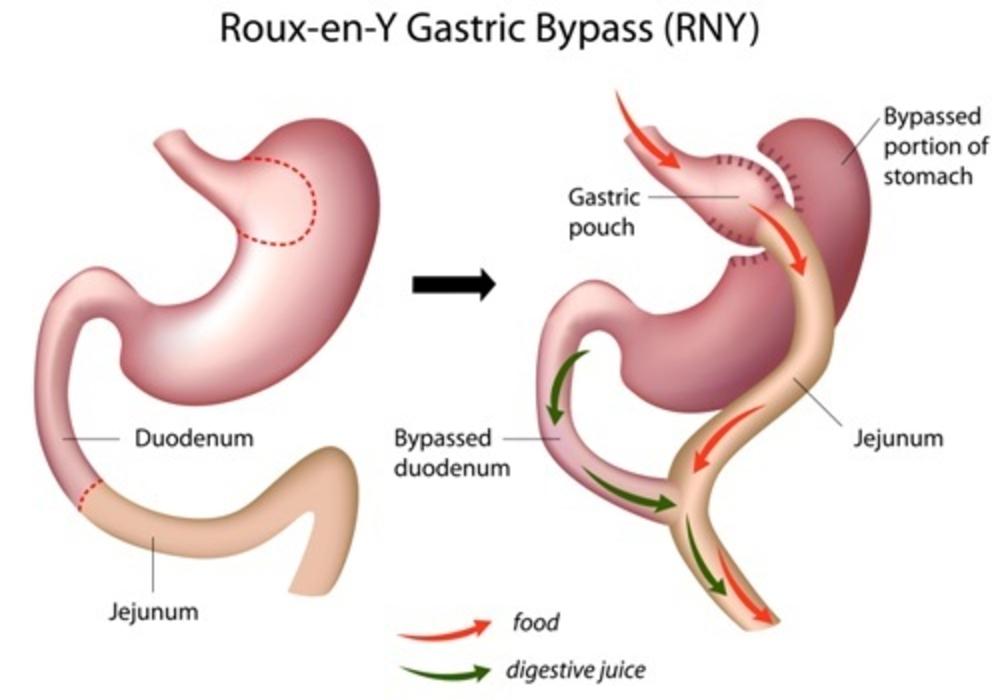
Gastric bypass surgery is another effective bariatric procedure available in Kenya.
The operation involves creating a small stomach pouch and connecting it to a section of the small intestine. This reduces the amount of food a patient can eat and changes how the body absorbs nutrients.
Gastric bypass may be recommended for individuals with severe obesity, particularly those with certain obesity-related health conditions.
Key benefits:
-
Supports significant weight loss.
-
Can improve type 2 diabetes.
-
May help improve acid reflux in appropriate patients.
-
Reduces food intake and changes nutrient absorption.
The procedure requires long-term nutritional monitoring and vitamin supplementation.
One Anastomosis Gastric Bypass (OAGB)
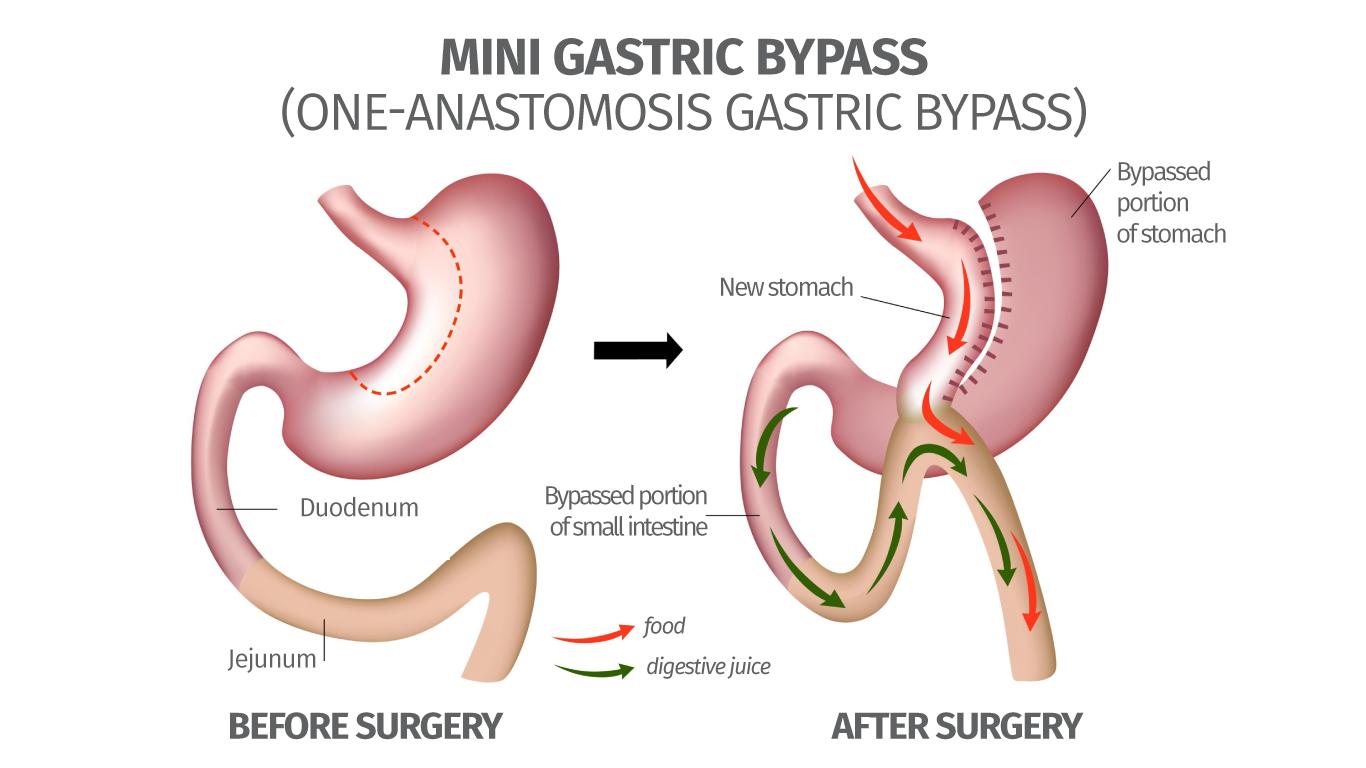
One Anastomosis Gastric Bypass (OAGB), sometimes called mini gastric bypass, is another surgical weight loss option offered in Kenya.
It involves creating a smaller stomach pouch and connecting it directly to the small intestine through a single connection.
The procedure combines restriction of food intake with changes in nutrient absorption.
It may be considered for selected patients depending on their weight, medical history and overall health.
Like other bypass procedures, patients require ongoing nutritional monitoring and medical follow-up.
Who Qualifies for Weight Loss Surgery in Kenya?
Not everyone struggling with excess weight is a candidate for bariatric surgery.
Generally, surgery may be considered for individuals with:
-
A BMI of 35 or above.
-
A BMI of 30–34.9 with certain metabolic conditions.
-
Obesity-related health concerns such as type 2 diabetes, hypertension or sleep apnoea.
Eligibility depends on individual medical assessment, and the surgeon may recommend additional evaluations before proceeding.
The aim is to ensure that surgery is appropriate, safe and likely to provide meaningful health benefits.
How Much Does Weight Loss Surgery Cost in Kenya?
The cost of bariatric surgery in Kenya varies depending on the procedure, hospital, surgeon’s experience, medical tests and aftercare requirements.
Gastric sleeve and gastric bypass procedures may have different costs depending on the complexity of the operation and the patient’s individual needs.
Rather than choosing a procedure based on price alone, patients should prioritise qualified surgeons, appropriate hospital facilities and comprehensive postoperative care.
A consultation is the best way to receive an accurate treatment plan and cost estimate.
What Should You Expect After Bariatric Surgery?
Recovery and weight loss vary from one patient to another. However, patients generally follow a structured recovery programme that includes:
-
Gradually progressing from liquids to soft foods and then regular meals.
-
Following a recommended nutrition plan.
-
Taking prescribed vitamins and supplements.
-
Attending scheduled medical reviews.
-
Incorporating physical activity as advised by the medical team.
Bariatric surgery is not a quick fix. Long-term results depend on medical follow-up and sustainable lifestyle changes.
Choosing the Right Weight Loss Surgery in Kenya
Choosing between gastric sleeve, gastric bypass and other bariatric procedures requires professional medical guidance.
The right procedure depends on your BMI, weight loss goals, medical history, existing health conditions and nutritional needs.
Working with an experienced bariatric surgeon and a multidisciplinary medical team can help you make an informed decision.
Take the First Step Towards a Healthier You
If you have struggled with obesity and conventional weight loss methods have not delivered lasting results, bariatric surgery may be worth exploring.
At [Clinic/Hospital Name], patients can receive professional guidance on available surgical weight loss options, medical eligibility and personalised treatment plans.
Book a consultation today to discover whether bariatric surgery is suitable for you.
Your weight loss journey starts with the right medical guidance.