
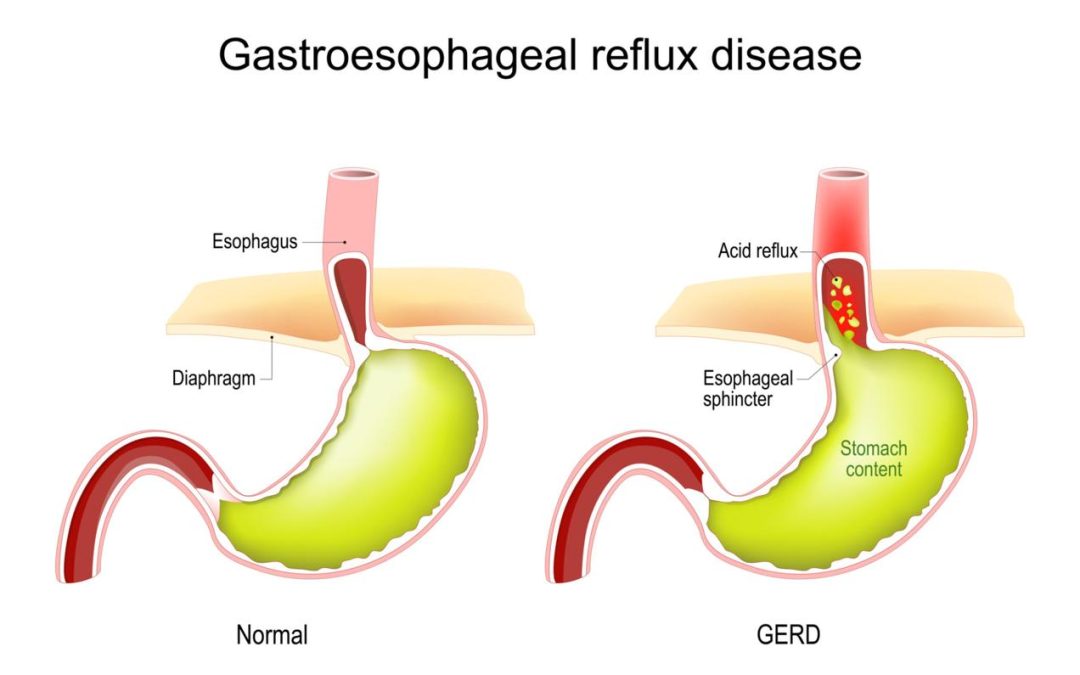
GERD (Gastroesophageal Reflux Disease) is a common digestive condition that occurs when stomach acid repeatedly flows back into the oesophagus (food pipe). It can cause persistent heartburn, chest discomfort, a sour taste in the mouth and difficulty swallowing.
While occasional acid reflux is common, frequent symptoms should not be ignored. With proper diagnosis and treatment, GERD can be effectively managed, helping you enjoy a better quality of life.
If you experience recurring heartburn or acid reflux, consulting an experienced surgeon can help identify the cause and determine the most appropriate treatment.
What Causes GERD?
GERD occurs when the lower oesophageal sphincter (the muscle that prevents stomach contents from flowing backwards) becomes weak or relaxes when it should remain closed.
This allows stomach acid to travel back into the oesophagus, causing irritation and discomfort.
Some factors that may increase your risk of developing GERD include:
-
Being overweight or having obesity.
-
Eating large meals, especially late at night.
-
Consuming foods that trigger acid reflux.
-
Smoking.
-
Pregnancy.
-
Having a hiatal hernia.
Common Symptoms of GERD
GERD symptoms can vary from one person to another. However, the most common signs include:
-
Persistent heartburn: A burning sensation in the chest, particularly after meals.
-
Acid regurgitation: A sour or bitter taste caused by stomach acid entering the throat or mouth.
-
Difficulty swallowing: Feeling as though food is getting stuck in your throat or chest.
-
Chest discomfort: Pain or pressure that may worsen after eating.
-
Chronic cough: A persistent cough, particularly at night.
-
Sore throat or hoarseness: Irritation caused by repeated acid exposure.
If these symptoms occur frequently, it is important to seek medical attention rather than relying on regular antacids.
How Is GERD Diagnosed?
Diagnosing GERD begins with a review of your symptoms, medical history and physical health.
Depending on your symptoms, your doctor may recommend additional investigations, including:
-
Upper gastrointestinal endoscopy: A procedure that uses a thin, flexible tube with a camera to examine the oesophagus and stomach.
-
Oesophageal pH monitoring: Measures how frequently stomach acid enters the oesophagus.
-
Other specialised tests: May be recommended when symptoms persist or another digestive condition is suspected.
Early diagnosis helps prevent complications and ensures that you receive appropriate treatment.
GERD Treatment Options in Nairobi
Treatment depends on the severity of your symptoms and the underlying cause.
Most patients can manage GERD through a combination of lifestyle adjustments and medication.
Common treatment approaches include:
1. Lifestyle Changes
Simple changes can significantly reduce acid reflux. These include eating smaller meals, avoiding trigger foods, maintaining a healthy weight and avoiding lying down immediately after eating.
2. Medication
Your doctor may prescribe medication to reduce stomach acid production and allow the oesophagus to heal. Treatment may include proton pump inhibitors (PPIs) or other acid-reducing medicines.
3. Surgical Treatment
For selected patients with persistent GERD, especially when medication is ineffective or complications develop, surgical treatment may be considered following specialist assessment.
The appropriate treatment should always be determined after a proper medical evaluation.
When Should You See a Doctor?
Occasional heartburn may not be a serious concern, but recurring symptoms require medical attention.
Seek medical assessment if you experience persistent heartburn, difficulty swallowing, repeated vomiting or unexplained weight loss.
Important: Chest pain should never automatically be assumed to be acid reflux. Seek emergency medical attention, particularly if it is accompanied by shortness of breath, sweating or pain spreading to the arm or jaw.
Get Expert Digestive Care with Dr. Lance Mayabi in Nairobi
Living with frequent heartburn and acid reflux can affect your eating habits, sleep and overall comfort. The good news is that GERD can often be managed successfully with the right medical care.
Dr. Lance Mayabi is a General and Laparoscopic Surgeon based in Nairobi, with expertise in surgical gastroenterology and advanced gastrointestinal procedures, including endoscopy.
Through a patient-centred approach, Dr. Mayabi helps patients understand their digestive health concerns and explore appropriate treatment options.
If you are experiencing persistent acid reflux, heartburn or other digestive symptoms, consider booking a consultation for professional assessment.
Book an appointment with Dr. Lance Mayabi today and take the first step towards better digestive health.
Call: +254 780 310 990
Location: The Karen Hospital, Nairobi, Kenya.