
Digestive health problems can affect your comfort, appetite, and overall well-being. If you experience persistent stomach pain, heartburn, difficulty swallowing, or unexplained digestive symptoms, your doctor may recommend an endoscopy.
Endoscopy in Kenya is an important medical procedure that helps doctors examine the digestive system, identify health conditions, and recommend appropriate treatment.
What Is Endoscopy?
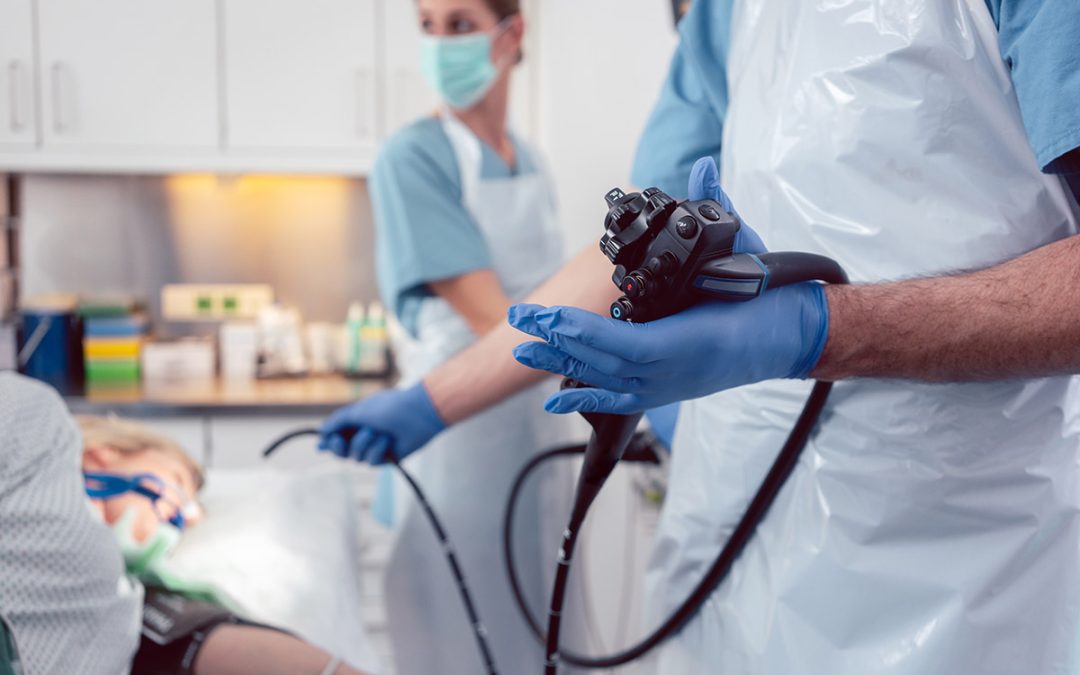
Endoscopy is a medical procedure that allows a doctor to examine the inside of the body using a thin, flexible tube fitted with a small camera and light.
The procedure helps identify conditions affecting the oesophagus, stomach, and upper digestive tract. It can also be used to investigate symptoms, take tissue samples (biopsies), and perform certain treatments.
When Do You Need an Endoscopy?
Your doctor may recommend an endoscopy if you experience:
-
Persistent stomach pain or discomfort.
-
Frequent heartburn or acid reflux.
-
Difficulty swallowing.
-
Unexplained nausea or vomiting.
-
Persistent bloating or indigestion.
-
Vomiting blood or passing black stools.
-
Unexplained weight loss.
An endoscopy helps doctors investigate these symptoms and determine the most appropriate treatment.
Types of Endoscopy Available in Kenya
Some common types of endoscopy include:
1. Gastroscopy (Upper GI Endoscopy)
This procedure examines the oesophagus, stomach, and the first part of the small intestine. It helps diagnose ulcers, gastritis, acid reflux complications, and other digestive conditions.
2. Colonoscopy
A colonoscopy examines the large intestine (colon) and rectum. It is commonly used to investigate bowel problems, detect polyps, and screen for colorectal cancer.
3. Therapeutic Endoscopy
In some cases, endoscopy can also be used to treat certain conditions, such as removing polyps, controlling bleeding, or managing digestive tract abnormalities.
Is Endoscopy Painful?
Endoscopy is generally well tolerated. Depending on the type of procedure, patients may receive sedation or local anaesthetic to improve comfort.
You may experience mild bloating, a sore throat, or temporary discomfort afterwards. Your doctor will explain what to expect before the procedure.
How Do You Prepare for an Endoscopy?
Preparation depends on the type of endoscopy you are having.
For an upper GI endoscopy, you may need to avoid eating or drinking for several hours before the procedure. For a colonoscopy, special bowel preparation is usually required to clean the colon.
Always follow the instructions provided by your healthcare professional.
Where Can You Get Endoscopy in Kenya?
Endoscopy services are available at selected hospitals and specialist medical centres across Kenya, particularly in Nairobi and other major towns.
When choosing a facility, consider the availability of qualified specialists, appropriate medical equipment, patient safety standards, and proper follow-up care.
Endoscopy is a valuable diagnostic and treatment procedure that helps doctors identify and manage various digestive health conditions. If you have persistent digestive symptoms, consulting a qualified doctor can help determine whether an endoscopy is necessary.
Early investigation can make a difference in identifying health problems and getting the right care.
Book a consultation with a qualified healthcare professional today to discuss your digestive health and available endoscopy services.